
23.12.2025
Portrait of a Veteran 2025: Problems Facing War Veterans in Ukraine. Joint study by Rating Group and the Ukrainian Veterans Fund of the Ministry of Veterans Affairs
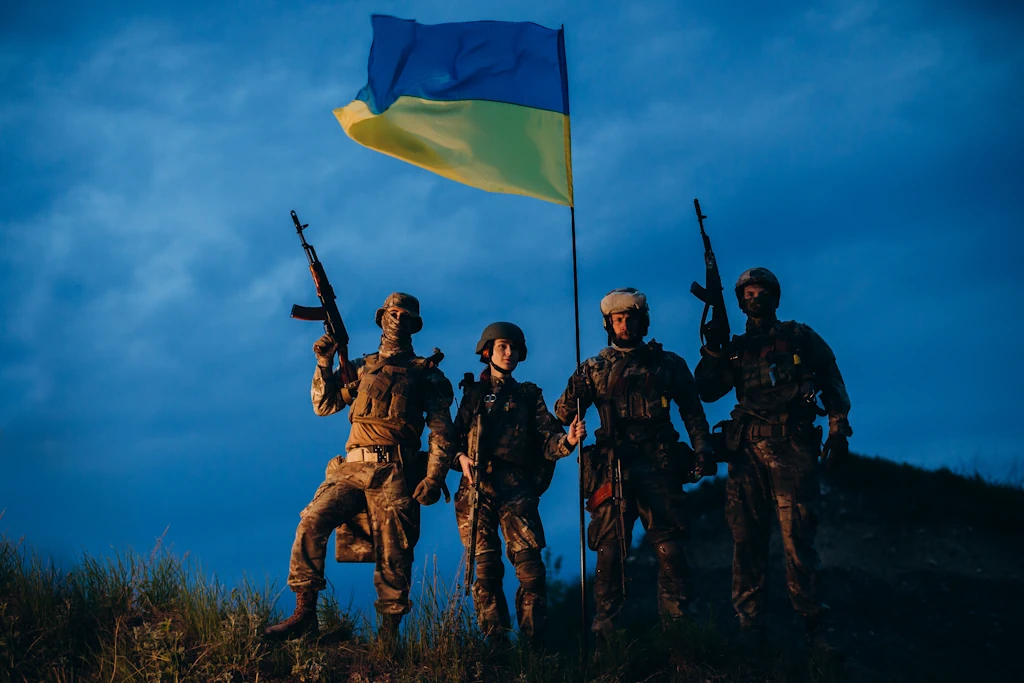
The Rating Group sociological group surveyed 240 defenders of Ukraine as part of a study entitled ‘Problems of War Veterans in Ukraine.’ The survey was conducted on the initiative of the Ukrainian Veterans Fund of the Ministry of Veterans Affairs of Ukraine and is part of the ‘Portrait of a Veteran 2025’ project.
The research team learned about the main challenges veterans face when returning to civilian life, their needs, and their perceptions of the effectiveness of support programmes.
Challenges in civilian life
One-third of Ukrainian veterans feel that society does not respect them today
- At the same time, 60% of the veterans surveyed responded that society does respect veterans. Also, the majority of respondents (58%) believe that society is not informed about the needs and problems of veterans in civilian life.
- Psycho-emotional instability (84%), alcohol or drug abuse (79%), lack of understanding from society (76%), physical health problems and difficulties in obtaining medical care (75%), unemployment (73%), lack of inclusive spaces and adapted workplaces for people with disabilities (72%), and conflicts in the family (71%) are negative phenomena that, according to veterans, are likely to arise in their lives after returning from war.
- Sixty per cent mentioned the incompatibility of military experience with civilian life, 58 per cent mentioned problems with obtaining social benefits, 51 per cent mentioned the risk of breaking the law and participating in crime, and 48 per cent mentioned suicide.
Meeting the needs of veterans
We asked veterans to rate how well their various needs were being met on a 5-point scale (1 – not met at all, 5 – completely met). Respondents could also indicate that they did not have such needs at all.
- The best-rated need was discounted travel (4.3 points on average).
- Average ratings were given to medical care (3.3), physical rehabilitation and/or prosthetics (3.3), employment (3.2), psychological support (3.1), educational needs/retraining (3.1 points), information and counselling support (3.1), business development (3.0) and financial support for families (3.0).
- The respondents rated legal support (2.7) and housing provision (2.6) the lowest.
What kind of support do veterans need?
Financial (50%) and medical (43%) support are the main requests of veterans.
- About a quarter of respondents indicated psychological support (28%) and housing assistance (26%), while one in five (22%) indicated legal support.
- Only one in ten said they did not need any support today.
Use of benefits and support programmes
- Most often, veterans use subsidies for utility payments (69%), free travel (52%), medical care (41%), and pensions (33%).
- Financial assistance was mentioned by 21%, psychological rehabilitation by 14%, education benefits by 12%, and educational services and benefits by 10%.
- Only 8% of respondents said they did not use any of the benefits or programmes mentioned.
Effectiveness of veteran support programmes
- Opinions on the overall effectiveness of state veteran programmes were divided: 51% believe that they are effective, while 40% of respondents question their effectiveness.
- State rehabilitation and prosthetics programmes for persons with disabilities are considered effective by 59% of respondents, 27% of respondents have the opposite opinion, and 15% were unable to assess them.
- Assessments of the accessibility (inclusiveness) of public spaces for persons with disabilities were also divided: 47% believe that they are completely or somewhat accessible, 47% of respondents question their accessibility, and another 7% were unable to assess them.
- On the other hand, the effectiveness of programmes run by non-governmental organisations (civil society organisations, charitable foundations, volunteer associations) to support veterans is rated much higher by respondents. 75% of respondents consider them to be completely or somewhat effective, while 17% hold the opposite opinion.
Rating Group is one of Ukraine's largest research institutions, operating since 2008. The company is registered in Ukraine and has extensive experience in conducting sociological surveys in Ukraine and abroad. The group includes: Sociological Group Rating, Rating Lab research laboratory, Rating Online platform, and Rating Call Centre.
Methodology
- Fieldwork dates: 3–15 December 2025
- Survey method: CAPI (Computer-Assisted Personal Interview) – face-to-face interviews using a tablet
- Sample size: 240 respondents
- Sample format: war veterans aged 18 and older in all regions, except for the temporarily occupied territories of Kherson, Kharkiv, and Zaporizhzhia regions, as well as Crimea and Donbas
- Representativeness: representative sample (margin of error no more than 6.3% with a confidence level of 0.95)
Contact form
Let's discuss your research idea
Fill in the form below, and we will contact you as soon as possible