10.11.2026
ШІ в державних органах: де українці підтримують його використання?

Ukrainians most often support the use of artificial intelligence by state bodies for protecting digital infrastructure and cybersecurity (40%), fighting corruption (36%) and providing administrative services (33%)
The data comes from the nationwide survey “Public opinion in times of war: political preferences, trust and ideological orientations of Ukrainians”, conducted by Rating Group for the Westminster Foundation for Democracy (WFD) on August 16–23, 2026.
Respondents were asked to indicate the areas in which they primarily support the use of artificial intelligence by state bodies of Ukraine. Multiple responses were allowed.
Use of AI in state bodies
- Citizens most often see a role for AI in protecting digital infrastructure and cybersecurity (40%) and in fighting corruption (36%).
- About a third support its use for providing administrative services (33%), monitoring public procurement and budget expenditures (32%) and analyzing citizens’ appeals (32%).
- One in four support it for damage assessment and reconstruction planning (27%) and fighting disinformation (25%), and one in five – for analyzing and reviewing draft laws (21%).
- 7% do not support the use of AI in public administration, and another 11% found it difficult to answer.
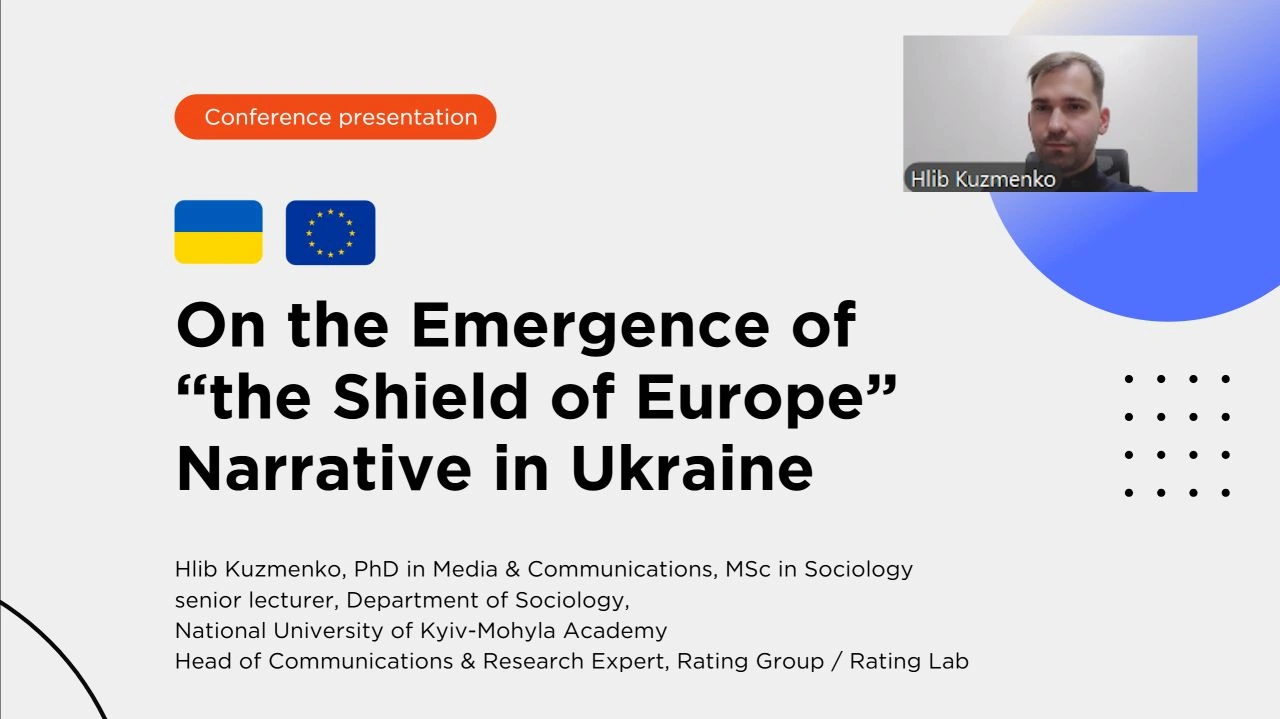
Hlib Kuzmenko, PhD, research expert and head of communications at Rating Group / Rating Lab, comments:
“Ukrainians are more “in favor” of AI in those processes of state bodies where AI can reduce the negative human factor. In this way, it can give greater confidence in how well things are organized, in their legality and reliability. This is the fight against corruption, procurement procedures, administrative services and so on. On a deeper level, I would say, it is about a desire for positive predictability of processes and certain guarantees that everything important will happen “correctly” and efficiently. As for lawmaking and the adoption of concepts and decisions, support is somewhat lower for now. However, further research is needed to understand the specific motivators and barriers.”
Who is more open to AI in state bodies?
- Age. Younger respondents are relatively more open to the use of AI for analyzing citizens’ appeals and draft laws, and for damage assessment and reconstruction planning.
- Income. Respondents with higher incomes are generally more open to the use of AI in various areas of state bodies’ work, whereas among less well-off categories a substantial share choose “difficult to answer”.
- Regions. Support is higher in Kyiv in almost all areas: for example, 42% name monitoring of procurement compared with 29–34% in other macro-regions, analysis of draft laws – 30% compared with 18–21%, and the fight against corruption – 44% compared with 33–39%.
- The fight against corruption is the area on which respondents show the most agreement regarding the use of AI.
Rating Group is one of Ukraine’s largest research institutions, operating in the market since 2008. The company is registered in Ukraine and has extensive experience in conducting sociological surveys in Ukraine and abroad. The group includes Sociological Group Rating, the Rating Lab research laboratory, the Rating Online platform and Rating Call Center.
Methodology
- Fieldwork dates: August 16–23, 2026
- Survey method: CATI (Computer-Assisted Telephone Interview) – telephone interviews using a computer
- Sample size: 2100 respondents
- Sampling method: random sample of mobile phone numbers (population of Ukraine aged 18 and older in all regions, except for the temporarily occupied territories, as well as territories where there is no Ukrainian mobile communication at the time of the survey). The results are weighted using current data from the State Statistics Service of Ukraine.
- Representativeness: the sample is representative by age, gender and type of settlement (margin of error – no more than 2.1 p.p. with a confidence level of 0.95)
Note: sometimes the sums of percentages in some charts may not arithmetically equal 100% due to rounding of numbers (including small ones).
Contact form
Let's discuss your research idea
Fill in the form below, and we will contact you as soon as possible