News and Press releases

Thank you! Your submission has been received!
Oops! Something went wrong while submitting the form.
Press
Social and political sentiments of Chernihiv residents (March 1-10, 2024)
All
All
2024
18.03.2024
  • According to the results of a survey conducted by the Rating Sociological Group, 28% of Chernihiv residents surveyed rated their emotional state over the past week as calm, 36% as tense, and 35% gave average ratings. Higher levels of anxiety were recorded among women, older people, and those with lower incomes.
  •    
  • More than half of those surveyed (52%) consider a repeat attack on Chernihiv in the next six months unlikely. About 15% rated the possibility of a repeat attack as highly likely, while 28% gave average ratings.
  •    
  • 74% of respondents are confident that Ukraine will be able to repel Russia's attack, while more than 20% have the opposite opinion. Over the past year and a half, the number of those who are confident in the possibility of repelling Russia's attack has decreased (from 93% in December 2022 to 74%).
  •    
  • Almost 70% believe that it will be impossible to restore friendly relations between Ukrainians and Russians immediately after the end of the war. 20% believe this will be possible in 20-30 years, 6% in 10-15 years, and 2% within a few years.
  •    
  • About 60% of respondents noted that they have close relatives serving in the war.
  •    
  • Among politicians, respondents trust V. Zaluzhny the most (87% trust him, 7% do not trust him). V. Zelensky is trusted by 57% and distrusted by 39%, S. Prytula is trusted by 46% and distrusted by 43%, V. Klitschko is trusted by 34% and distrusted by 48%, P. Poroshenko is trusted by 17% and distrusted by 79%.
  •    
  • Almost 60% are satisfied with the activities of the acting mayor of Chernihiv, O. Lomako, and the city council, while 30% are dissatisfied. 28% are satisfied with the activities of the Chernihiv Regional Military Administration, while 53% are dissatisfied (the satisfaction rate has deteriorated: 59% versus 28%). 27% are satisfied with the activities of the Chernihiv City Military Administration, while 55% are dissatisfied. The work of the head of the regional military administration, V. Chaus, was rated positively by 24% and negatively by 68%. The work of the head of the Chernihiv city military administration, D. Bryzhynsky, was rated positively by 19% and negatively by 59%.
  •    
  • More than 80% believe that the elected city council should deal with issues related to ensuring the city's vital functions. 11% believe that this should be done by the appointed city military administration.
  •    
  • Almost 65% believe that acting mayor O. Lomako is effectively performing his duties as mayor. 27% have the opposite opinion. Older respondents consider the acting mayor's activities to be more effective.
  •    
  • More than half of respondents (54%) said that the creation of a city military administration is more likely to hinder the city's development, 22% said it is beneficial, and about a quarter were undecided. The benefits were most often noted by younger and more affluent respondents.
  •    
  • Sixty-four percent of respondents consider the creation of a city military administration to be a political confrontation with the team of former mayor V. Atroshenko. Twenty-three percent assessed it as a security necessity. One in ten was undecided. Young people and those who are more affluent more often pointed to security needs.
  •    
  • Among local politicians, respondents had a more favorable opinion of V. Atroshenko (83% positive, 12% negative). O. Lomak had a 66% positive rating and a 23% negative rating. Chaus is viewed positively by 25% and negatively by 65%. D. Bryzhinsky is viewed positively by 17%, negatively by 55%, and 14% have not heard of him.
  •    
  • 94% have heard about the decision of the Yavoriv District Court, according to which Chernihiv Mayor V. Atroshenko was stripped of his right to hold the office of mayor for one year (59% have heard a lot, 35% have heard something). 76% of respondents do not support this court decision, while 14% expressed their support.
  •    
  • 75% of respondents believe that this court decision is more of a pressure on local authorities, while 15% consider it a fight against corruption.
Press
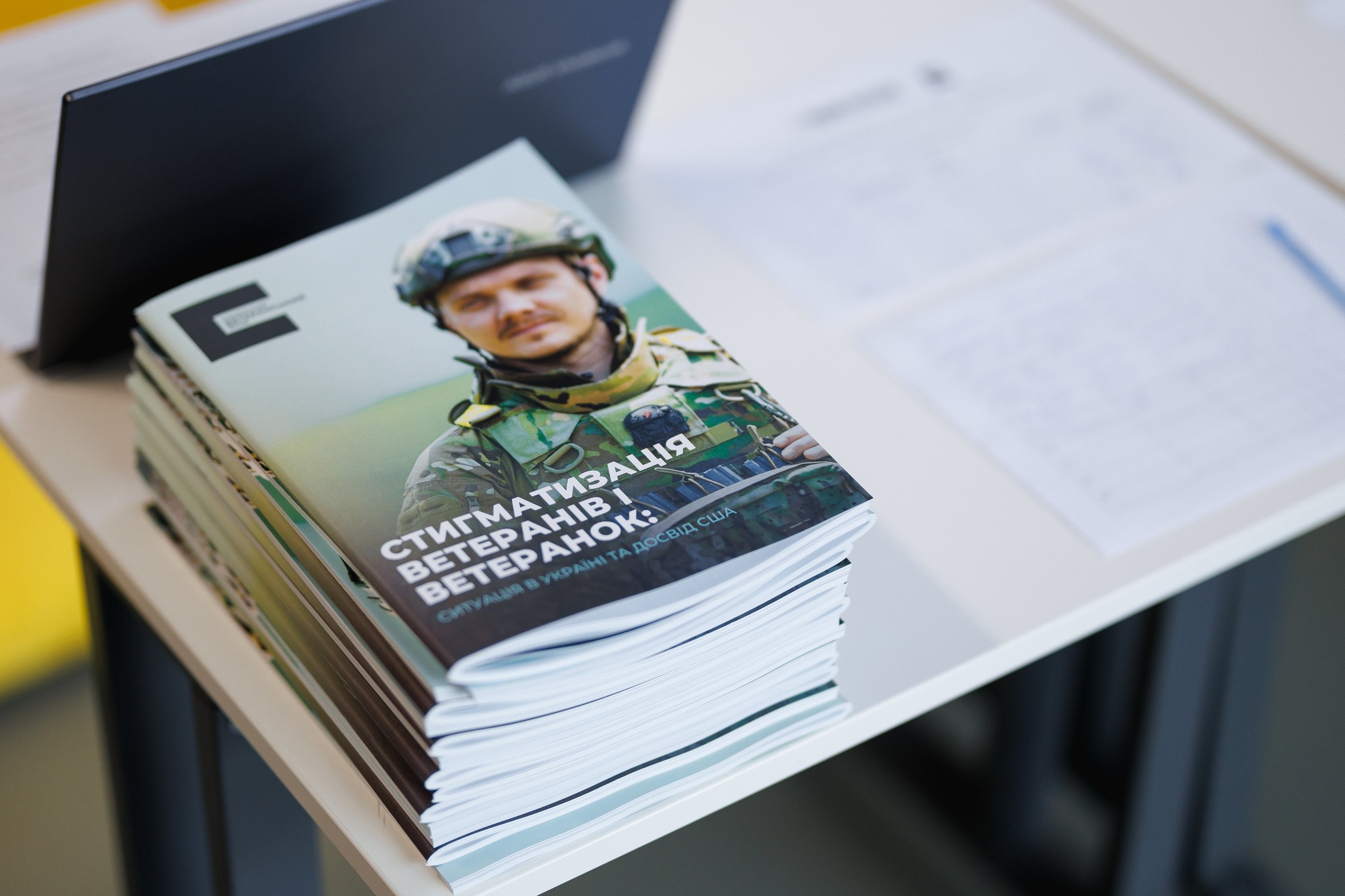
The twenty-seventh nationwide survey “The image of veterans in Ukrainian society” (March 2-5, 2024)
All
All
2024
13.03.2024

The survey was conducted on the initiative of the "Ukrainian Veteran Fund" Of the Ministry of Veterans Affairs of Ukraine. Funded by the Sociological Group "Rating".

  • Based on the findings of the twenty-seventh nationwide survey conducted by the Sociological Group "Rating" under the initiative of the "Ukrainian Veterans Foundation" of the Ministry of Veterans Affairs of Ukraine from March 2 to 5, 2024, 55% of respondents reported having close relatives who participated in military activities within Ukraine from 2014 to 2021. Furthermore, 70% of participants mentioned having close ones who have either served or are currently serving on the front lines since February 24, 2022. Comparatively, there is an observed increase in the number of individuals with close relatives currently engaged in frontline service, as opposed to previous survey results.
  • 41% of respondents acknowledge the possibility of becoming a veteran in the future, while 53% hold the opposite view. The discussion about the potential of becoming a veteran was most prevalent among residents of western regions, the youngest respondents, males, and those who have relatives and close ones involved in warfare since 2014 and are currently serving.
  • In society, the military consistently receives the highest levels of trust: 96% express trust in ATO veterans currently in active service, 94% trust the Armed Forces of Ukraine and veterans involved in the present conflict, and 84% trust ATO (JFO) veterans from 2014-2021 who are not currently engaged in warfare. Regardless of region or age, the overwhelming majority places trust in these demographic groups.
  • Among the potential challenges that veterans of the Russian-Ukrainian war may face upon returning from service, the top concerns include psychoemotional instability, issues with physical health, difficulties in accessing medical assistance, the absence of inclusive spaces and adapted workplaces for individuals with disabilities, as well as challenges related to the processing of social benefits. Respondents also consider the likelihood of conflicts within the family, unemployment, societal misunderstandings, the mismatch of military experience for civilian life, and substance abuse, including alcohol or drugs. Approximately half of the respondents mentioned the risk of suicides among veterans. About a third of those surveyed pointed out the risks of legal violations and involvement in criminal activities. However, compared to the September 2023 survey, there is an increase in the number of individuals recognizing risks in all the aforementioned issues. The presence of these problems is felt more acutely by close associates of veterans who have been in combat since 2014 and are currently serving.
  • The number of those who believe that the state fulfills its obligations to veterans of the Russian-Ukrainian war continues to decrease: in August 2022, it was 69%, in January 2023 – 53%, in September 2023 – 33%, and in March 2024 – 25%. Currently, more than 60% hold a different opinion. Negative views on the state's fulfillment of obligations towards veterans are most commonly expressed by residents of western regions and those who have close relatives involved in warfare since 2014 and are currently serving.  
  • 76% of respondents believe that society currently respects veterans. However, compared to the September 2023 survey, their number has remained almost unchanged (79% in September). The opposite opinion is held by 18% of individuals, with a higher proportion among residents of western regions and the younger demographic.
  • The number of those who indicated being well or fairly informed about veterans' issues has slightly increased (56%). 42% mentioned that they are not informed. A higher percentage of the latter group is found among residents of eastern regions, older individuals, and women.  
  • Nationwide survey #27. The image of veterans in Ukrainian society (March 2-5, 2024)
Press
CULTURAL PRACTICES AND NEEDS FOR POPULATION RECOVERY IN DEOCCUPIED AND FRONTLINE COMMUNITIES
All
All
2024
29.01.2024

Sociological research “Cultural practices and needs for population recovery in deoccupied and frontline communities” is supported by the Ukraine Confidence Building Initiative (UCBI), implemented with the support of the United States Agency for International Development (USAID).

The full-scale invasion of Russia into Ukrainian territories has not only changed the physical landscape of Ukrainian regions, but has also led to rapid changes in their social structure and socio-psychological dynamics of certain communities and their members.

Without exception, all respondents in the study confirm that the war has altered perception of their own culture and themselves. It has strengthened the sense of the culture significance as something that shapes and sustains the nation in the struggle for its sovereignty.

The study focuses on understanding of how these changes have occurred, the problems they have manifested in communities near the frontlines, how communities experience access or lack of access to cultural services, and what cultural needs they have. Frontline, border, and liberated territories are examined in the research in terms of the state of culture. 

The fundamental questions of the research were:

       
  • Evaluation of the population's satisfaction with the current (or pre-war) state, diversity, and quality of cultural services and infrastructure
  •    
  • Studying the opinions of various target audiences regarding their vision of the desired ideal state of the cultural sphere (cultural services, cultural infrastructure, cultural service providers, public engagement, etc.)
  •    
  • Exploring the opinions of different target audiences regarding the role and significance of culture in Ukraine's resistance to Russian aggression, and respondents’ self-assessment of changes in their own identity since the onset of the full-scale invasion
  •    
  • Investigating the opinions of various target audiences regarding the place and tasks of culture in post-conflict recovery

LEISURE PRACTICES 

The primary forms of leisure activities among respondents in the surveyed regions of Ukraine include meeting friends (56%), watching TV at home (56%), and browsing content on social media (52%). Approximately 40% engage in listening to music and reading books, while 25% pursue creative activities/hobbies and another 25% participate in sports. Additionally, 16% enjoy hiking, 15% visit cinemas, and an equal percentage attend church. Board games attract 13% of respondents, and 11% are involved in community work or volunteering. Only 9% opt for cultural experiences by visiting theatres and museums, while 7% explore zoos and attractions. Moreover, 6% attend concerts, 6% go on guided tours, and 2% participate in festivals. Lastly, 2% engage in gambling activities.

Individuals of various age groups are expected to have different leisure practices. Younger respondents (18-35 years old) have a higher tendency to meet with friends, browse social media content, and listen to music, engage in creative activities, participate in sports, watch movies in cinemas, and play both board and gambling games. On the other hand, the older participants (51 and above) more frequently watch TV at home, read books, and attend church. Variations are also observed among respondents residing in different types of settlements. For instance, residents of regional centres are more inclined to spend time with friends, listen to music, read books, participate in sports and various hobbies, visit cinemas, museums, and zoos.

Among the content consumed by respondents on social media, news (articles and videos) prevail at 75%, followed by movies and TV series at 64%, online music at 57%, and feeds with photos and videos at 56%. Nearly half of those consuming information from social media engage with educational or informative content, including documentary narratives (46-48%). Around 40% of these respondents watch comedic shows or conversational interviews with notable individuals or bloggers. Approximately a quarter watch stand-up comedy or comedian performances, entertainment shows, or reality TV.

Among consumers of television content, films and TV series are the dominant products with a consumption rate of 72%, followed by news at 66%. 40% of the audience views documentary narratives, while 35% enjoy comedic shows. The average consumption rate for educational and informative content is 33%, while the average consumption rate for conversational interviews with notable individuals is 32%, and entertainment and reality shows is 23%.

Movies and concerts, as well as festivals, are the most interesting cultural events for respondents, each capturing the interest of 45%. Engaging with like-minded individuals and interest-based clubs are intriguing for 36% of those surveyed, while gyms and dance studios attract 32%. The interest level for theatres is 31%, exhibitions 30%, organized tours 27%, creative clubs 23%, and meetings with famous figures 21%.

The level of interest in cultural events shows age-related dependencies. For the younger audience, movies, gyms, dance studios, creative clubs, and meetings with renowned cultural figures are more captivating. Among the older population, engaging with like-minded individuals or interest-based clubs is a more interesting cultural pastime. Regarding the type of settlement, particularly in large cities, there is a higher level of interest in all types of cultural events. Conversely, in rural areas and small towns, a higher level of interest is observed primarily in concerts and festivals, as well as creative clubs.

The main motivations influencing the decision to attend cultural events include personal interest in the theme or format of the event (41%), territorial accessibility (38%), and affordable prices (37%). The presence of company or acquaintances is also a significant factor (31%). Other factors such as the lineup of artists (14%), the charitable purpose of the event, and the need for family recreation are less significant (14% each). Advertisements on social media and in the media have minimal impact on the decision to attend cultural events.

For the younger generation, more significant factors influencing the decision to attend a cultural event include personal interest, the presence of acquaintances, and advertisements on social media or in the media. For individuals in the middle age group (36-50 years), the need for organizing family recreation becomes a notable factor. Meanwhile, factors such as territorial accessibility, price, the lineup of artists or performers, and the charitable purpose of the event are equally significant for decision-making regarding cultural event attendance across all age categories.

City residents more frequently make the decision to attend a cultural event based on their personal interest in the event's theme or the lineup of performers. Conversely, residents of rural areas and small towns more often take note of the charitable purpose of the cultural event.

ASSESSMENT OF LOCAL CULTURAL INSTITUTIONS

In all regions except for Kherson, more than half of the respondents stated that their locality has enough or sufficient cultural institutions, such as libraries, clubs, museums, and art studios. However, in these regions, at least a third mentioned that such institutions are insufficient. Discussions about insufficiency were more prevalent in Dnipropetrovsk, Zaporizhia, and Chernihiv regions. In Kherson, only a quarter stated that there are enough cultural institutions, while more than 70% highlighted their inadequacy.

Residents of regional centres users of libraries or cultural centres, as well as older respondents (51 years and older) often spoke about the sufficiency of cultural institutions. The best situation with the work of libraries in settlements is in the Chernihiv, Sumy and Mykolaiv regions, where more than 75% of respondents noted that these cultural institutions work in their settlements. The worst situation is in Kherson (21%) and Kharkiv (48%) regions. In other regions, almost 60% indicated that libraries are working today.

Overall, only about 10% of surveyed respondents who are aware of the operation of libraries mentioned that they visit them once a month or more frequently. Approximately 15% of these respondents stated that they visit libraries once a quarter or semi-annually. At the same time, about two-thirds of the respondents do not visit these cultural institutions. In the Kherson region, the question about the frequency of library visits was not analysed due to an insufficient number of respondents.

The situation regarding the operation of clubs in populated areas is the most favourable in Chernihiv and Sumy regions, where over 75% of respondents indicated that these cultural institutions are operating in their localities. The worst situation is in Kherson (12%) and Kharkiv (41%) regions. In other regions, approximately 60% mentioned that clubs are currently operating.

Approximately 14% to 20% of surveyed respondents who are knowledgeable about clubs stated that they visit them once a month or more frequently. From 20% to 30% of respondents stated that they visit clubs once a quarter or semi-annually. At the same time, approximately 30% to 40% of respondents do not visit these cultural institutions. The highest percentage of non-visitors is in Kharkiv and Dnipropetrovsk regions. In the Kherson region, the question about the frequency of visiting cultural centres was not analysed due to an insufficient number of respondents.

Assessing the work of libraries according to several criteria, their visitors relatively better appreciated the work of employees of these cultural institutions. Also, the list of services and events, as well as the condition of the premises and the material equipment of the libraries, received high marks.  The highest evaluations of library performance across different criteria were recorded among respondents in Kharkiv, Dnipropetrovsk, Zaporizhia, and Kherson regions. Among library visitors in Chernihiv and Sumy regions, relatively more undefined ratings were noted regarding the assessment of the performance of these cultural institutions.

Assessing the work of clubs according to several criteria, their visitors relatively better appreciated the work of employees of these cultural institutions. Also, the list of services and events, as well as the condition of the premises and material equipment, received high marks. However, the estimates are not as good as the estimates for library work on the condition of the premises and the list of services and events.   The best estimates of club employees were recorded among the respondents of Kharkiv and Sumy regions. According to the criterion, the condition of the premises is relatively the best estimates among the respondents of the Kharkov and Odessa regions. By material equipment - in Kharkov, Odessa and Zaporizhzhya regions. According to the list of services and activities − in Kharkiv, Sumy, Dnipropetrovsk and Odessa regions.

In the Kherson region, evaluation of satisfaction with cultural centers was not conducted due to the insufficient number of respondents who visit them. 

More than 70% do not support the idea of closing cultural institutions (clubs, libraries) in sparsely populated areas if they do not cope with their functions. 22% support this initiative. 

In regional distribution, no significant differences are observed in the attitude towards the initiative, as less than 70% of respondents in all regions do not support the idea (Table 2.2.1 – in the Annexes). In terms of age groups, a slightly higher level of support (up to 27%) for optimizing cultural institutions is observed among the younger audience (18-35 years). However, even among the youth, 70% do not support such an initiative. There are also no differences in the attitude towards this idea among those who visit or do not visit libraries. However, among those who do not visit clubs, there is a slightly higher level of support for closing cultural institutions (27%) compared to those who use the services of these institutions (18%).

Despite the majority not supporting the closure of cultural institutions in sparsely populated areas, an overwhelming majority (78%) believe that restoring/rebuilding destroyed cultural institutions should only be done after the end of the war. Currently, only 17% support the immediate restoration of such institutions. Interestingly, the lowest level of support for the immediate restoration of cultural institutions is observed in the Kherson region. Among age groups and residents of urban and rural areas, no significant differences are observed in the attitude towards the necessity of restoring destroyed cultural institutions: the absolute majority in all groups support rebuilding only after the end of the war.

ASSESSMENT OF LEISURE OPPORTUNITIES

Assessing the possibilities of leisure in their areas as a whole, relatively better estimates were given to children and adolescents, the worst - to demobilized soldiers and veterans, as well as people with disabilities. With respect to the latter categories, respondents most often could not assess the level of leisure opportunities for these categories. In a regional breakdown, relatively better assessments of leisure opportunities for all age groups of the population are recorded in the Odesa region, while the worst assessments are in the Kherson region.

Concerning better assessments of leisure opportunities for all categories, they are observed among residents of regional centres, the younger population, and the more affluent.

ASSESSMENT OF THE FUNDING OF THE SPHERE OF CULTURE

The vast majority of respondents believe that the sphere of culture in their community is not sufficiently funded. Also, a significant part of the respondents (from 20% to 36% in different areas) could not answer this question at all. About a sufficient level of funding said from 19% to 26% of respondents. Relatively better assessed the state of financing in the Odesa and Mykolaiv regions.

The funding situation in the cultural sphere in rural areas is better assessed, although here, the highest percentage of those who could not answer the question is also observed. Additionally, relatively better assessments were provided by young respondents (18-35 years old) and those who use the services of libraries or clubs.

Opinions regarding the necessity of allocating funds for cultural events during the war have divided the surveyed audience. Fifty percent support such initiatives, 44% do not, and 6% could not provide an answer.

A slightly higher level of support for the idea of allocating funds for cultural events during the war is recorded in Dnipropetrovsk and Odesa regions, while the lowest level of support is in the Kherson region.

Regarding the higher level of support for allocating funds for cultural events during the war, it is also noted among the younger age group (18-35 years) and those who use the services of cultural institutions such as libraries and clubs.

The absolute majority believe that local authorities should finance cultural events in their communities (over 70%). Central government, businesses, charitable foundations, international organizations, and public organizations and funds are considered responsible by 19% to 29% of respondents. Ordinary citizens are seen as responsible by 8%.

Similar opinions are expressed regarding the funding of cultural institutions in communities. The majority (72%) believe that local authorities should be responsible for this. However, unlike organizing events, respondents also expect more attention to the cultural sphere from the central government (40%). Businesses, charitable foundations, international organizations, public organizations, and funds are considered responsible by 19% to 24% of respondents, while ordinary citizens are seen as responsible by 8%.

A relatively higher level of expectations regarding the financing of cultural institutions by the central authorities is observed in Odessa, Kharkiv and Zaporizhzhya regions. There are also relatively higher expectations for state funding among young people and users of cultural institutions.

INFORMATION SOURCES

The top three sources of information on cultural life in communities are close friends and acquaintances (51%), Telegram channels (44%), and Facebook posts (39%). Information from websites is obtained by 27%, from Instagram – 23%, local television – 16%, local press – 7%, and radio – 5%.

Information about the cultural life of the community is relatively more frequently obtained from close friends and acquaintances in the Kharkiv and Kherson regions, from Telegram channels in the Kharkiv, Zaporizhzhia, and Kherson regions, and from Facebook in the Sumy region. 

News about cultural life is more often learned from close friends and acquaintances and Facebook posts in small towns and villages than in regional centres. Internet sites, Telegram channels, and Instagram posts are more common sources of information in regional centres.

For older individuals, sources of news are more likely to be close friends, acquaintances, television, radio, or the press, while for younger audiences, internet sources and Telegram channels are more prevalent. 

IDENTITY

Among the residents of the surveyed regions, regional identity dominates in the first place. Additionally, very high indicators of Ukrainian civic identity are noted among the respondents. 

As for the sense of European identity, the assessments are moderate. A relatively higher level of European identity is observed in Sumy, Zaporizhzhia, Mykolaiv, and Kherson regions, while the lowest is in Odesa and Kharkiv regions.

A sense of Soviet identity is recorded in a small number of respondents, somewhat more often among the older population and those with Russian as their language of communication. Somewhat more often about the Soviet identity corresponded in the Odesa and Zaporizhzhya regions, less often - in Sumy.

RESULTS OF THE QUALITATIVE RESEARCH PHASE

       
  1. Closeness to the borders with Russia or the frontline, systematic shelling since the beginning of the full-scale war, the experience of occupation and de-occupation have made safety the main factor defining life in all eight regions researched. War and its consequences have resulted in a tangible social isolation and disconnection of people in the studied communities. Isolation increases both within communities and as a process of isolating individual communities from each other, as well as from other regions of Ukraine. Respondents not only interact and communicate less within their communities, but they also travel less within Ukraine, visit big cities and major cultural centres less frequently. Leaving the place of residence is hindered by anxiety and fear. The most common regret expressed by respondents is the loss of travel opportunities. The exodus of individuals from frontline and border communities only heightens the processes of social isolation and depopulation. People in most regions, except for Odesa, spend their time within their homes and yards, with their families or cohabitants, because it is considered safe. Long walks, visits to the familiar sea, and walks in the familiar forest have become unavailable to people due to the war. Shelling and air raids have made people's stay outside the home functional but brief. In all regions studied, shelters are scarce in public spaces and cultural institutions, particularly in villages. People steer clear of unnecessary trips, and children are not permitted to leave without a reason. Cultural services in regions that are mainly under systematic shelling in small settlements, towns, and villages are predominantly provided online, hindering socialization. 
  2.    
  3. The inability to conduct offline education, the lack of shelters, and the abovementioned risks have disrupted the normal process of socializing children, teenagers, and, to some extent, young adults. The majority of their time is spent with parents and relatives rather than interacting with peers, primarily through digital devices rather than face-to-face communication. According to respondents, online schooling decreases the likelihood of children participating in both online and offline cultural events. Online activities following virtual classes exhaust and burden children and teenagers. Attendance of in-person events is hindered by shelling, the unstable schedule of school activities, and the general risks associated with leaving home. 
  4.    
  5. The constant sense of danger, shelling, destruction and death all around lead to a shift in the perception of one’s lifetime by the residents in the researched communities - every day is seen as if it were the last, heightening the subjective value of time. Hence, the majority of respondents believe it is right to spend this precious time with their families. Attending cultural events and activities is diminished by the increasing anxiety and relatively high level of daily stress reported by respondents. Systemic stress affects attention span and the ability to derive satisfaction from complex cultural products such as reading books or attending performances. For some respondents, attending entertaining and cultural events may be accompanied by a feeling of guilt for experiencing joy, leading to self-restraint. Another factor reducing respondents' inclination to allocate time for cultural events is the impact of new economic and social realities. According to respondents, especially those aged 24 and older, increased work commitments result in greater fatigue, leaving them with less spare time for cultural leisure activities. 
  6.    
  7. All participants acknowledge that their cultural needs have undergone significant transformations during the time of the full-scale war. The negative outset of these transformations was influenced by the pre-war experience of the COVID-19 pandemic. Respondents nostalgically recall times when communities practiced mass cultural events, allowing individuals to feel a sense of belonging, experience social support and cohesion, various social connections, and relationships. Social isolation has generated a strong demand for direct in-person interactions, the sense of the community's social body (through mass events), exchanging thoughts, shared emotional experiences. However, these experiences are currently unattainable due to safety restrictions. In the majority of the studied communities, any large-scale events are currently prohibited. Live meetings with familiar individuals, evening gatherings, communal spaces where one can meet peers and engage in conversations are the primary needs that respondents seek to fulfil in cultural establishments.  
  8.    
  9. In the surveyed regions, there are cultural establishments such as cultural centres, music schools, museums, libraries, leisure centres, theatres, cinemas, sports sections, and leisure clubs. All of them are in different condition, ranging from nearly completely destroyed and looted by occupiers in the communities of Kherson and Snihurivka to functioning with varying degrees of success and damage caused by both enemy actions and lack of repairs. Almost all cultural institutions lack equipped shelters (except for cultural establishments in the Odesa region, where this situation appears to be better) which is why they usually operate fully or partially online. 
  10.    
  11. Cultural institutions in the surveyed communities offer a rather limited range of services, including clubs, books, concerts, and performances (usually online). Offline events in these communities are relatively infrequent, typically occurring in the warm season and exclusively outdoors for safety reasons. In some areas, there are restrictions on gatherings (not exceeding 50 people for one event), while in others, such events are not held at all (Kherson region, Sumy region). Typical offline events include fairs, charity concerts, children's festivals, and national memorial days, all oriented towards patriotism. Often, these events raise funds for the needs of the Armed Forces of Ukraine, which is a significant reason for respondents to attend. According to respondents in most communities, volunteering and support for the Armed Forces have partially replaced cultural activities in cultural establishments. Workers of cultural institutions, along with attendees, engage in activities such as weaving camouflage nets, preparing trench candles, and fundraising.  
  12.    
  13. Among all age groups, the group of children and adolescents remains the most provided with opportunities for self-realization. In almost every community, depending on the security situation, they can attend online or offline clubs, music schools, seasonal and state holidays organized in shelters or under the open sky. Often, the leisure activities for children are facilitated by the efforts of international funds and organizations (the Red Cross, UNICEF). Despite the limited number of events, they still do not ensure proper development and socialization of children. More activities, such as psychological training and skill-building workshops for children and adolescents, engaging activities, and sports sections are sought by parent respondents. Sports facilities and stadiums are almost absent or not in working condition in the surveyed communities, and the demand for them is quite noticeable. Parents are willing to pay for quality leisure activities for their children within their means. The development of children is a higher priority for parent respondents than their own. 
       Individuals aged 16-24 face a scarcity of options for enriching cultural activities within their localities. The majority of these respondents used to fulfil their cultural desires in regional hubs prior to the onset of the war, and some continue to do so, especially if they are studying there. However, for those who remained in their communities, visiting regional centres (Sumy, Kharkiv, Chernihiv, Dnipro, Odesa, Mykolaiv, or Zaporizhzhia) currently appears dngerous due to the increased risk of missile attacks in large cities. As a result, these respondents are forcibly isolated in their small communities, where their peers often move abroad or to other regions. This situation compels them to build new social connections, which is challenging because there are very few public spaces in communities where young people can spend time. The primary cultural needs of respondents in this age group are to distract and relax, temporarily forgetting about the war. Festivals, concerts, comedy shows, stand-up performances, meetings with famous people, and sports events are what they dream of. Educational events such as workshops, psychological training, and theatre are also relevant to them. Some with a proactive stance join the volunteer movement. Young respondents consider the state of culture in their communities unsatisfactory and outdated. They feel a lack of interesting leisure ideas and modern equipment for their implementation within the communities. In certain communities, local cultural institutions, often with the assistance of Youth Councils, rescue this group of respondents through gatherings and evening events. Adult respondents aged 25-40 constitute the most occupied category in the survey. Their cultural needs are usually influenced by the needs of their children. In these communities, there were relatively few cultural services for them even before the war. They dream of the restoration of fairs, City and Village Days, opportunities for offline meetings with interesting people, beneficial workshops, and psychological training. They desire the chance to attend theatres, cinemas, or concerts featuring Ukrainian pop stars, and they are willing to pay for these services. This age group of respondents is more interested in contemporary Ukrainian cultural content that allows them to learn more about Ukraine, its history and present (documentary films, shows, Dmitry Komarov's series), as well as modern Ukrainian and international pop music, and contemporary Ukrainian and foreign films. Cultural self-realization for individuals aged 41 and above is typically represented by local choirs, women's interest clubs, and is often shifted toward those aged 60 and above in terms of themes and formats. This group is most interested in receiving cultural services within their community and actively consumes online content produced by community cultural institutions. However, the majority of their leisure activities still take place traditionally at home. Like other respondents, they would appreciate concerts, festivals, and performances by Ukrainian cultural figures and groups but are compelled to consume digital content. This age group is the most active library-goers and, by demand, the most patriotic consumers of cultural content. They often consider entertaining content to be not the most important at the moment.  
  14.    
  15. All study participants, including cultural service providers, consider the state of cultural institutions in communities generally unsatisfactory. Cultural institutions lack repairs, shelter facilities, and transportation for bringing people from remote villages. There is a general lack of funding and modern equipment for cultural institutions, as well as the modernization of library collections (only some communities can afford to update them, but have already forcibly removed Russian and soviet literature). The second significant problem is the shortage of modern and young professionals in the cultural system. Some communities form Youth Councils to invigorate the exchange of ideas, but generally, low salaries, small communities, and depopulation makes the personnel issue difficult to address. According to respondents, internally displaced persons can partially address it. Some communities had individuals who were internally displaced from large cities, but they were proactive and organized interesting clubs. However, retaining them in communities proved challenging. For most respondents, quality cultural services are those delivered not formally but from the heart, provided by qualified cultural workers, leaving behind valuable knowledge or a pleasant experience.  
  16.    
  17. Most communities are aware of cultural grant support and make efforts to apply for grants, with some communities having successful cases of obtaining and utilizing grants. Respondents, cultural figures, and cultural managers believe that culture in communities should be funded not only by local but also by state authorities. They emphasize the need to increase salaries for cultural workers, as respondents perceive this work as prestigious in spirit but significantly undervalued and demotivating.  
       Respondents also see cultural funding as a result of collective efforts from various stakeholders: local and state authorities, patrons, consumers willing to pay for cultural services, international funds, and donors. They recognize the importance and necessity of systemic communication and collaborative solutions among all these stakeholders at the community level. During the war, local businesses are less involved in financing culture and supporting cultural events, as their activities are more focused on assisting the army, diverting significant resources. Business respondents (except the Odesa region) have a lukewarm response to the idea of receiving grants themselves and developing culture in communities. Being a situational sponsor of children's and charity events is a more understandable concept for them.  
  18.    
  19. Funding for culture is often perceived by respondents as competing with fun
Press
Twenty-fifth national survey: THREAT PERCEPTIONS FOR THE WINTER OF 2023-2024 ( November 22-23, 2023)
All
All
2023
01.12.2023

 As part of the 25th wave of the national survey “Ukraine under conditions of War” Sociological Group Rating conducted a separate study on the perception of threats and expectations of winter 2023-2024.

 Expectations for winter


  • According to the expectations of half of the respondents, the situation in Ukraine as a whole will remain unchanged this winter (51%). Another 25% expect improvement in winter, 21% - deterioration. More positive forecasts about the situation prevail among residents of the central regions, the elderly and the poor: about a third believe in improvement. 
  •    
  • Ukrainians expect improvement of the situation on the front in winter, but economic deterioration. Expectations regarding the situation on the front are the most optimistic: 46% believe in improvement. The economy leads to pessimistic expectations: 34% of respondents expect deterioration in this sphere, and 43% - do not expect any changes. The energy sector is assessed as one that will improve (17%) or remain unchanged (43%).
  •    
  • Young people aged 18-35 are relatively more critical in assessing the situation on the front – 38% believe in its enhancement, while among older people aged 51+, which is 52%, believe in positive developments. 
  •    
  • Kyiv residents (49%) expect a deterioration of the situation in the economy most of all. In general, the younger and better off respondents are, the higher the share of people with negative expectations about the economy.
  •    
  • However, when it comes to changes in personal situations in winter, negative expectations are higher among the poor: among the well-off citizens, the share of those who expect deterioration of their situation is 7%, while among the poor – 28%.  In general, among all in the personal situation, 64% of respondents expect no change, 16% expect improvement, and 17% expect deterioration.
  •    
  • Based on expectations regarding winter, a cluster analysis was conducted and several categories were identified among respondents. According to their expectations of the situation this winter, respondents are divided into three groups: pessimists (25%), optimists (21%) and those who have not defined their expectations (54%).
  •    
  • The highest proportion of optimists is observed among residents of central regions, villages and people aged 51+. At the same time, Kyiv residents and young people (18-35 years old) are the most pessimistic.
  •    
  • Comparative assessments of the potential energy supply situation this winter are positive: respondents believe that the situation will be better than last year (41%) or will be the same as last year (49%). At the same time, among residents of the frontline and de-occupied territories, 54% in both categories believe that their electricity supply situation will be the same as last year, while the central-western regions have more optimistic expectations and think that the situation will be better.

Preparation for winter

       
  • Almost 75% of Ukrainians prepared for possible problems with energy supply in winter. Among the most popular preparation measures were buying flashlights and batteries, preparing food supplies, buying energy storage devices (accumulators) and generators, and preparing drinking water supplies – more than half of the surveyed did each of these measures. 
  •    
  • Kyiv residents, as well as young and middle-aged people, who are more affluent, are prepared most intensively for problems with the energy supply. City dwellers more often than others bought flashlights and batteries, as well as stocked up on drinking water, while village residents more often bought generators.
  •    
  • The intensity of preparations for energy supply problems is also influenced by sentiments about what problems Ukraine will face in winter: pessimists in anticipation of difficulties make more efforts to prepare for winter than optimists.
  •    
  • 72% of respondents indicated that there is an “Indestructibility Points” in their locality. At the same time, in rural areas, almost 40% of residents said that there is no “Indestructibility Point” in their area. Most of all such points are in Kyiv, as well as in the de-occupied and frontline territories. Among those respondents who have an “Indestructibility Point” in their settlement, 13% used it last winter: 3% often, 10% rarely.
  •    
  • The majority of Ukrainians (74%) do not plan to leave their homes in case of power failure during the week. At the same time, almost a quarter of Ukrainians in this case plan to move to another place: 11% within the locality, 8% - to another area, 3% - to a temporary place of residence (school, etc.), and 2% - abroad. Most often the relocation is limited to the same locality where the respondent currently lives. Residents of Kyiv are most often ready to move, in general, city dwellers, more affluent, and youth.

Live during the War

       
  • 60% think that during the war it is necessary to limit themselves considerably in entertainment and shopping, and these figures have not changed much during two years of the war. 36% think the opposite – that it is necessary to try to live a full life during the war. This opinion is more often shared by residents of Kyiv and de-occupied territories. And citizens of western regions agree with the fact that it is necessary to limit themselves most of all. This question mostly divided respondents by age and income: the younger and wealthy are much more willing to live a full life than the older and financially struggling ones, who support self-restraint the most.
  •    
  • Every second person in Ukraine nowadays does not make any plans ahead at all. Over the past year, the number of Ukrainians who plan their lives for a long period (several years) has decreased from 19% to 12%.  Another 15% plan their life for six months to a year, and 22% - for a few months at most. Kyiv residents, youth and middle-aged people, as well as wealthy citizens, plan their lives for a longer period.
  •    
  • Almost 80% of Ukrainians feel safe in their area. The least safe are residents of frontline and de-occupied regions, as well as middle-aged and elderly people, city dwellers and less well-off citizens.

Threat assessment

       
  • About a third of Ukrainians assess the threat of a missile strike on their locality as high. Most of them are among residents of Kyiv (57%), as well as residents of frontline and de-occupied territories (about 42%). On the other hand, only 10% consider military actions on the territory of their place of residence as very likely, but among the de-occupied and frontline regions up to 20% believe so.
  •    
  • Half (51%) of Ukrainians believe that it is always necessary to declare an air alarm during take-offs of MiGs of potential “dagger missiles” carriers. About 40% of Ukrainians note the expediency of differentiating the alarms depending on the situation and the reality of the threat. The number of Ukrainians who oppose the announcement of alarms at all does not exceed 5%. The least support for this norm is among the residents of Kyiv: 59% of them believe that the alarm, in this case, should be announced not always, but depending on the situation.

Social cohesion

       
  • The respondents believe that last year Ukrainians were more united than now, but they assess the future and current situation in the same way. If assessing the last year, 87% believe that the nation was cohesive, but nowadays, this assessment is given by 64%, and next year this indicator is expected to be 59%. In contrast, 34% of polled believe that Ukrainians are not cohesive now, while only 11% indicated that Ukrainians were not united last year.
  •    
  • When assessing the current situation and future of 2024, nearly half of respondents chose the answer “cohesive” or “rather cohesive” across all regional, age and financial groups, but overall, younger people see less cohesive populations than older people.
Press
Twenty-fifth national survey: Dynamics of Ukrainians' attitudes towards international unions (November 22-23, 2023)
All
All
2023
29.11.2023

 As part of the twenty-fifth wave of the nationwide survey, Rating Group conducted a study of the dynamics of the attitude of the Ukrainian population to international unions.

       
  • As of the end of November, 78% of respondents would vote in favor of Ukraine's accession to the European Union if such a referendum were held, which is slightly less than in July of this year (85%). Only 5% of respondents are against joining the EU. Instead, the share of those who have not decided or would not like to vote is increasing: 3% and 14% respectively for now.
  •    
  • Support for Ukraine's accession to NATO is also on the decline and stands at 77% (83% in July). Currently, the rate of support for joining NATO is at the same level as it was at the beginning of the invasion in March 2022. However, only 5% of respondents would not like to see Ukraine in the North Atlantic Alliance, 15% would not vote, and 3% are undecided.
  •    
  • There are no age differences in support for European integration. Women are more likely than men to demonstrate uncertainty (not going to vote or hesitate to answer) both regarding accession to the EU and NATO. Respondents with the lowest income demonstrate the lowest support for the unions.
  •    
  • In general, in each of the regions, the majority supports joining both unions, but the highest number of those who want to see Ukraine join the EU and NATO is among residents of the capital and the west.
  •    
  • The idea of Ukraine's accession to NATO within only the territories controlled now by the state is unacceptable to more than half of respondents (53%). At the same time, 40% of respondents fully or rather support this idea: residents of the western regions and the capital are relatively more likely to take such a step, as are middle-aged people. Instead, the residents of the East, Center, and South, as well as the oldest people, support this idea to the least extent.
  •    
  • Even among supporters of Ukraine's accession to NATO, only 44% support this idea, while 51% are against it.
Press
Unseen Glue: Social Capital in Ukraine
All
All
2023
27.11.2023

 We present a survey of social capital in Ukraine, conducted by the Sociological Group "Rating" at the request of the transformation communications activity supported by the United States Agency for International Development (USAID), implemented by Chemonics international inc. The content is the sole responsibility of its authors and does not necessarily reflect the views of usaid or the U.S. government.  


"Social capital is the potential for mutual trust and mutual assistance that arises in relationships between people: obligations and expectations, information exchange, and social norms. Forms of social capital include organizational, mobilization resources, resources of social cohesion and social assistance." 

James Coleman, American sociologist. 


Executive summary:


The Ukrainian society in general had a positive radius of trust: there were slightly more people who trusted others than those who did not. Nevertheless, a more detailed analysis revealed a significant difference across the age groups. The oldest were the most open to others, while the youngest were the most closed-off. Generally speaking, the problem of youth, both in Ukraine and in Western societies, is one of the challenges in the modern world. This situation is detrimental to the social capital, as the relatively higher level of distrust among young people, who are the main and most prospective basis contributing to the country’s human development, weakens the social capital. Deeper studies and strategies are needed to overcome this phenomenon.

The research findings also confirmed the hypotheses that the level of openness and trust in others in the social groups depends on the level of income. People with higher incomes demonstrated a much higher level of openness than those with lower incomes. However, the income scale is subjective, and the group of individuals with the highest income in the Ukrainian reality is often represented by a strong middle class rather than by the truly rich.

Despite the «average» level of trust in other people and demonstration of social cohesion, a breakdown by categories revealed a contradiction in the social mindset regarding the attitude to others. A relatively positive balance of trust/distrust in others in general was primarily shaped by an extremely high level of trust in the close circle (immediate family members and relatives). Family is one of the most important social institutions in Ukraine. Behavioral patterns in the family are often projected onto other communities. Nepotism, clannishness, and concealment of crimes are derivatives of this relationship model. Yet when it comes to strangers, people of a different nationality or those with different political views, the level of distrust towards these categories of population was significant. This is a significant risk factor in view of historical contradictions and ideological differences in Ukrainian society. On the other hand, propensity to collectivism and sacrifice of personal interests for the sake of the group are a significant advantage in a crisis, particularly in times of war. Volunteering, neighborhood associations, and a system of horizontal ties became the cornerstone of defense in the first months of the full-scale war and were examples of social mobilization in times of crisis. It is confirmed with a high level of trust in charity foundations and CSOs, which has been recorded since 2014 and was also confirmed by this research. The phenomenon paves the way for further development of social capital and building of a new decentralized model of interactions within society.

The average indicator of trust in central and local government authorities, as an important component of the social capital, is currently a wartime phenomenon rather than an ordinary situation. Since the first days of the war, polls have recorded a rapid increase in trust in Ukraine’s key  government agencies caused by a shift in the society’s focus from priority issues (firstly, economic development and government corruption) to defense and security. The State as an institution had maximum capabilities and powers over these matters, so distrust in key government authorities during the war was perceived as a sign of betrayal. Nevertheless, socio-economic challenges and corruption issues will likely return once the hostilities end, which traditionally leads to a drop in trust in the central government. In addition, the role of the State as a central power institution in Ukrainian society is «blurred» due to partial abolishment of the social contract. The norms and values of the State in such a situation were perceived as a mere declaration rather than as a foundation for law and order. On the other hand, trust in local authorities has the potential to grow under favorable conditions, given the success of decentralization and better opportunities to liaise with citizens, and demonstrate success during postwar reconstruction.

The media are an important tool for building social capital in the context of the all-out digitalization and informatization. Building trust as an important component of social capital today strongly depends on the quality and content of information shared almost instantly through various channels. In addition, the attitude to the freedom of speech as a keystone of a democratic society is an important indicator of the type of society and whether social capital is being built in it. In times of war, when state propaganda can be an element of defense and struggle against the enemy, Ukrainians were also quite critical of the information they were given, even though they agreed with the need for this tool in times of crisis. The survey showed that society preferred independent and «fast» online media and social media where they could access any public information. Freedom of expression is a fundamental development pillar for Ukrainians. On the other hand, there is a threat that these channels often disseminate unverified facts or sensitive topics that can lead to social confrontation. As the research showed, political intolerance often resulted in confrontation on social media that were free platforms for expressing opinions. Therefore, media literacy, the ability to identify fakes, and a critical approach to the shared information are essential for building the social capital in the Ukrainian society, which is highly vulnerable in the information landscape amid the fullscale war.

Ukrainian society showed an extremely high level of togetherness when it came to confronting the enemy. The polls showed a rise in national (primarily pro-Ukrainian), civic, and language identity during the war.  Today, there is an overwhelming consensus on major ideological issues, such as foreign policy or history, which saw a regional divide before February 2022. Such cohesion lays strong foundations for building social capital. On the other hand, the idea of social unity is not yet dominant because of the long-term confrontation on ideological grounds, which was often played on by political parties in their election campaigns. There was also no consolidation in assessing the effectiveness of reforms and the European future, although the support for EU accession exceeded 80%. Yet, the social groups that were committed to the accession to the EU, positively perceived reforms, spoke about the ideological unity of the Ukrainian society, showed a higher level of trust in all its branches, led a more public and sophisticated social life, and were more likely to be civic activists, were an essential basis for Ukraine’s social capital. 

Press
Public sentiment in Ivano-Frankivsk: city residents and displaced persons (October 20-30, 2023)
All
All
2023
24.11.2023
  • According to a survey conducted by the Rating Sociological Group, almost 70% of respondents in the Ivano-Frankivsk community believe that the city is heading in the right direction, while 17% hold the opposite view. Internally displaced persons have a more positive assessment of the direction of affairs in the city (more than 80% rated it as positive).
  • Among the available opportunities, local residents and internally displaced persons rated the opportunity to feel safe (82% and 94% satisfied, respectively, 11% and 4% dissatisfied), self-realization (71% satisfied, dissatisfied – 18% and 10%), and youth development (66% and 70% satisfied, respectively, 20% and 8% dissatisfied). Lower ratings were given to the opportunity to do business (47% and 36% satisfied, respectively, 27% and 12% dissatisfied) and decent wages (31% satisfied, 56% and 24% dissatisfied). All opportunities are rated higher by respondents with higher incomes.
  • Almost 70% of respondents are satisfied with the activities of Ivano-Frankivsk Mayor Martsinkiv, while 26% are dissatisfied (among IDPs, 63% are satisfied, 15% are dissatisfied, and about a quarter are undecided). Older and poorer respondents are more satisfied with his activities. 37% are satisfied with the activities of the head of the regional military-civilian administration, Onyshchuk, 16% are dissatisfied, and almost half are undecided (among IDPs, 33% are satisfied with her activities, 5% are dissatisfied, and more than 60% did not give an assessment). Almost 40% are satisfied with the work of the regional military-civilian administration, 28% are dissatisfied, and a third are undecided (among IDPs, 41% are satisfied with its activities, 9% are dissatisfied, and more than half are undecided). Among locals, 41% are satisfied with the activities of the regional council, 21% are dissatisfied, and almost 40% are undecided (among IDPs, 43% are satisfied with its activities, 6% are dissatisfied, and more than half are undecided). 46% are satisfied with the work of the city council, 25% are dissatisfied, and almost 30% did not provide their assessment (among IDPs, 45% are satisfied with its activities, 8% are dissatisfied, and 45% are undecided).
  • Sixty percent of Frankivsk residents consider the interaction between city residents and local authorities on important community issues to be effective, while about 30% consider it ineffective. Among displaced persons, 60% consider the interaction to be effective, 13% consider it ineffective, and more than a quarter are undecided.
  • When assessing various areas of the city authorities' work, 71% of local residents are satisfied with the repair of roads and sidewalks and the improvement of courtyards and adjacent areas, while 25-27% are dissatisfied (among IDPs, 72-73% and 21-24%, respectively). 69% of city residents are satisfied with the functioning of the city during wartime, while 25% are dissatisfied (among IDPs, 79% are satisfied and 12% are dissatisfied). When assessing the assistance provided to IDPs, 58% of local residents expressed their satisfaction, 10% had the opposite opinion, and one-third were unable to assess this area. The displaced persons themselves are more satisfied with the assistance provided (73%), while 18% are dissatisfied. 57% are satisfied with the assistance provided by the army, 22% are dissatisfied, and 22% did not provide an assessment (among displaced persons, 57% and 15% respectively, 29% were undecided). Among local residents, 44% are satisfied with social assistance to low-income residents, 19% are dissatisfied, and more than a third are undecided (among IDPs, 46% are satisfied, 14% are dissatisfied, and more than 40% are undecided).
  • The priority areas for city authorities are considered to be assistance to the army (64% among local residents and 57% among IDPs), security in the city (27% among locals and 34% among IDPs), and assistance to displaced persons (10% among locals and 25% among IDPs). The construction of shelters is considered important by 24%, the work of medical institutions (12% among locals and 16% among displaced persons), the fight against corruption (22% and 16% respectively), the organization of humanitarian aid to war victims (9% and 15% respectively), and the creation of jobs (14%). The work of schools and kindergartens and the improvement of residential areas were chosen by up to 10% of respondents, while social programs for the poor, the development of energy conservation, the quality of utilities, road repairs, and city greening were chosen by up to 5%.
  • 90% of Ivano-Frankivsk residents associate their plans for the future with living in the city. Among displaced persons, less than half of those surveyed have such plans, and 40% do not plan to stay in the city.
  • Nine percent of local residents and 3% of displaced persons surveyed intend to buy their own home in Ivano-Frankivsk in the near future. Another one in five is considering it (23% of local residents and 21% of displaced persons).
  • According to the majority of respondents, Ivano-Frankivsk could become a tourist center in the next 5-10 years (46% of local residents and 42% of IDPs believe this). About 30% see it as a cultural center. Twenty percent of locals and 12% of displaced persons surveyed see the city as a future IT center, 19% and 24% respectively see it as an educational center, 10% and 15% see it as an economic center, and 9% and 15% see it as a medical and recreational center. Six to seven percent of respondents see Frankivsk as a military and defense center in the future. Less than 5% chose transport and agriculture as the city's development direction.
  • Almost 60% of local residents and more than 40% of IDPs currently have jobs. Among those who are unemployed, up to 40% of local residents and almost 35% of IDPs plan to find employment in the city in the near future.
  • Almost a quarter of local residents (20% among IDPs) are personally involved in volunteer initiatives related to the war, while 22-28% of their close friends or relatives are involved (27-32% among IDPs), distant friends/acquaintances in 14% of local residents (10% among IDPs), neighbors or other acquaintances in 6% (5% among IDPs). About 30% of Ivano-Frankivsk residents and almost 40% of IDPs are not involved in volunteering.
  • 40% of Ivano-Frankivsk residents believe that the problem of language misunderstanding between local residents and IDPs is significant (among IDPs, this figure is almost 30%), while 34% consider it insignificant (40% among IDPs). Less than a quarter of Ivano-Frankivsk residents surveyed said that there is no problem (among IDPs, this figure is up to 30%). Over the past year, the number of residents of the Ivano-Frankivsk city community who believe that such a problem exists has increased (from 64% to 74%). Young people, women, and the more affluent talk about it more.
  • Among local respondents, more than half have a positive attitude toward IDPs, a third have a neutral attitude, and 10% have a negative attitude. Over the past year, there has also been a decrease in positive attitudes toward IDPs (from 68% to 53%) and an increase in neutral attitudes (from 27% to 34%). Men and wealthier people demonstrate warmer attitudes toward IDPs.
  • About 70% of local respondents provided assistance to IDPs. Young people and those who are more affluent mentioned this more often. Among IDPs, 44% said they received assistance from ordinary residents, and 43% from city authorities. More than 80% of IDPs surveyed mentioned assistance from the state, and about 70% from volunteers.
  • More than half of the community members surveyed would welcome some of the IDPs staying to live and work in the city. About 30% gave a neutral response, and about 10% gave a negative response. Over the past year, positive attitudes toward this idea have increased slightly.
  • More than 60% of local residents see tension in relations between IDPs and Ivano-Frankivsk residents (less than half of IDPs surveyed share this opinion). One-third of respondents and less than half of IDPs surveyed note the absence of tension. Young people, women, the more affluent, as well as those who see a problem of language misunderstanding and have a negative attitude towards IDPs, more often spoke of tension in relations.
  • Thirteen percent of local residents reported having IDPs in their immediate circle and among their friends or distant relatives due to Russia's full-scale invasion, 11% among close relatives, and 9% among neighbors or acquaintances. More than 60% do not have IDPs in their circle.
  • On the other hand, 18% of local residents surveyed have personal experience of accepting IDPs in their homes, 15% among close relatives, 9% among close friends, and 6-7% among distant relatives or neighbors. More than half said they had no such experience personally or among their circle.
  • Twenty-two percent of IDPs said that their homes where they lived before the war were destroyed or uninhabitable, 30% said they were partially damaged, and another third said they remained unchanged. Sixteen percent had no information about the condition of their homes.
  • Almost half of the displaced persons surveyed said they rent an apartment, while a third live in a refugee center. 10% live in hotels or hostels, and 5% live with relatives or friends.
  • The main sources of news are Telegram (48% among locals and 59% among IDPs), news websites (30% and 27%, respectively), Facebook (24% and 28%, respectively), and YouTube (20% and 25%, respectively). Television and Telemaraton were mentioned by 16-19% of local residents and 6-10% of IDPs, while live communication is a source of news for 12% of Ivano-Frankivsk residents and 16% of IDPs. About 10% of respondents use Instagram and Viber to get news, 5% use TikTok, and less than 5% use radio and print media.
  • About half of the respondents said that their close relatives are serving in the Defense and Resistance Forces. Twenty-eight percent of Ivano-Frankivsk residents (23% of IDPs) said that they had close friends serving in the military, 14-15% said they had distant relatives or acquaintances serving, 6-7% said they had neighbors or other acquaintances serving, and 4-5% said they were serving themselves. Less than 30% of local residents and about a third of IDPs do not have anyone in their circle who is currently serving.
Press
The dynamics of attitude towards the 1932-33 Holodomor (November 2023)
All
All
2023
23.11.2023

 The Holodomor is one of the most horrifying tragedies in the history of the Ukrainian people. In 1932-1933, intentionally organized by the Soviet authorities, over 4 million Ukrainians, or 13% of the population, perished due to famine. References to the "great famine" can be found in almost every family. What was and what is the current attitude toward this painful topic among the contemporary population of the country? Here is the Dynamics of Attitudes towards the Holodomor of 1932-1933 from the Sociological Group "Rating.


"It is worth noting that Rating is perhaps the only company that has researched this issue. We have been conducting annual monitoring since 2010, so we share unique data.

In 2010, 60% of respondents surveyed by the Rating Group answered affirmatively to the question, "Do you agree that the Holodomor of 1932-1933 was a genocide of the Ukrainian people?"
As per the results of the latest Rating Group survey in 2023, 92% agree with the statement mentioned above, representing an increase of one and a half times compared to 2010.

Press
How does Ukrainian society truly perceive people with disabilities?
All
All
2023
15.11.2023

Presenting the results of the 'National Sociological Study on the Perception of People with Disabilities in Ukraine,' conducted by the Sociological Group 'Rating' as part of the project 'Expertise Centre in the Field of Rights of People with Disabilities' commissioned by the Public Association 'All-Ukrainian Union of Organizations for Persons with Disabilities “The Strong people League”. 


Attitude of society

⅔ of the respondents believe that Ukrainian society has a positive attitude towards military personnel with disabilities. Towards civilians with disabilities, the attitude is generally neutral. It is worth noting that respondents with disabilities themselves predominantly describe the feelings people have towards them as pity. This emotion is experienced by 71% of the respondents regarding people with disabilities.

On the other hand, when meeting with military personnel with disabilities, the main emotion reported by the respondents is "gratitude," followed by "compassion."

"One of the participants in the focus group notes, 'Military people, they are more reserved; they don't need you to approach them, showing pity or sympathy. But the only thing you can do, and for me, this is right, is to come to them and say thank you."


Ukrainian society has not yet developed experience in interacting with people with disabilities. This is evident in the respondents' lack of understanding of the term "inclusivity." They use it not in the context of the overall integration of people with and without disabilities in society but specifically in relation to the education of children in inclusive classrooms.


Although 90% agree that people with disabilities can lead active lives similar to those without disabilities, it appears that the responses were given considering social desirability, an attempt to present oneself in the best light. 


On the one hand, respondents declare a high degree of approval for the social integration of people with disabilities and personal comfort in communication with them. However, at the same time, the indicator of social stigma tells a different story.


A sense of happiness and opportunity Relatives and families of people with disabilities more often than others state that these individuals perceive themselves as unhappy. Among those who personally have a disability, every fifth person agreed with the statement "people with disabilities are punished for their actions." 


The opportunities for military personnel who acquired disabilities during the war are perceived somewhat more favourably than those for civilians with disabilities. Respondents pointed out that the military personnel who lost their health in the war should receive more help and support from society.


The best opportunities for people with disabilities, according to respondents, are in the field of education and learning. Conversely, the worst opportunities for people with disabilities in Ukraine are perceived to be in finding employment and engaging in entrepreneurship.


Discriminatory aspects of people with disabilities 

What do people with disabilities say about life in Ukrainian society?

Respondents identified mobility as the primary discriminatory issue, specifically the ability to move freely outside their homes. Other challenges mentioned include the lack of access to public spaces and discrimination in job searching and employment, often taking a nominal form to meet quota requirements.


The majority of respondents gave mediocre to poor evaluations of the state of sectors and initiatives for people with disabilities. Specifically, respondents with disabilities often highlighted issues with rehabilitation. Despite good quality, a common problem is that rehabilitation rooms are located on the upper floors of hospitals. Additionally, there are very limited rehabilitation opportunities in small towns.


Almost 60% of the respondents indicated that people with disabilities most need financial assistance, nearly 50% mentioned a need for medical support, and over 40% expressed a need for psychological assistance.


What exactly do people with disabilities need?

Respondents with disabilities often noted that their main need is to be seen, accepted, and normalized by society. They want to be agents of change in this direction, willing to communicate their issues, engage in improving public spaces to make them accessible and fair. They aspire to change society's perception of them and see it as part of their responsibility in this process.


The main question, considering the above, is who should address the issues of people with disabilities? People with disabilities themselves somewhat more frequently take responsibility for resolving their own issues. In contrast, the majority of surveyed citizens believe that local or central government should be involved in addressing these matters.

The Sociological Group "Rating" took into account the risks when surveying people with disabilities, so individual interviews were used as the interaction tool. Research is one of the components of the project "Center for Expertise in the Rights of People with Disabilities." The center operates thanks to a grant from the Program "Support for Civil Society Organizations (CSOs)" in Ukraine, within the framework of financial support from the Ministry of Foreign Affairs and the Commonwealth and Development Office of the United Kingdom Foreign, Commonwealth & Development Office. The program is implemented by Crown Agents in partnership with International Alert and in collaboration with Crown Agents in Ukraine. The content of the post does not necessarily reflect the views of the Ministry of Foreign Affairs and the Commonwealth and Development Office of the United Kingdom, Crown Agents, International Alert, and Crown Agents in Ukraine. All information about criteria, allowable expenses, and requirements for applicants can be found on the Support for Civil Society Organizations in Ukraine

Press
Stressful conditions among the Ukrainian population in the context of war
All
All
2023
10.11.2023

ALL-UKRAINIAN SURVEY BY THE INSTITUTE OF SOCIOLOGY OF THE NATIONAL ACADEMY OF SCIENCES OF UKRAINE: OCTOBER 2023

The press release was prepared by Serhiy Dembitsky, Doctor of Social Sciences, Deputy Director of the Institute of Sociology of the National Academy of Sciences of Ukraine, head of the research project ‘Stressful conditions of the Ukrainian population in the context of war’ (funded by the National Academy of Sciences of Ukraine).

A recent survey on stress levels among the Ukrainian population during wartime revealed the following important facts:

       
  • Due to the large-scale invasion of Ukraine by the Russian Federation, the number of people who have experienced being in a combat zone has increased from 18% to 44%.
  • Given the prevalence and negative psychological impact, the ranking of stressors is as follows (from most severe to least severe): traumatic experiences such as difficult memories, stressors of social interaction (conflicts, lack of support, discrimination) and personal actions, deterioration of living conditions, health problems, and the threat to life as a possibility caused by war.    
  • The most important resources for coping with stress are communication outside of work, leisure and work. However, while interaction with loved ones is sufficiently satisfied among the majority of the population, the need for leisure and work is much less satisfied.
  • When considering individual psychological resources, the strongest ones are general activity (work and social) and optimism. The situation is significantly worse when it comes to emotional stability and a sense of control over the situation.
  • In terms of psychological distress*, the current situation is comparable to the second half of 2020, when the Ukrainian population was awaiting another wave of coronavirus. Thus, about 69% of respondents demonstrate a normal level of psychological distress, 21% - elevated, and 10% - high. This suggests that due to the Armed Forces of Ukraine preserving a significant part of the social environment of Ukrainians, the majority of the population has sufficient resources for psychological recovery, as well as protection from the most severe stressors of war.
  • In terms of prevalence, individual stress states can be ranked as follows (from least common to most common): hostility as impulsiveness and aggression, depression as despondency and melancholy, somatisation as physical discomfort, interpersonal sensitivity as low self-esteem and vulnerability, anxiety as tension, fear and foreboding, exhaustion as a decline in physical and mental abilities, paranoid ideas as suspicion, distrust and blaming others.
  • The main consequences of psychological stress in wartime are deprivation of values in areas such as leisure, physical health and wealth. Instead, the three pillars of values that currently sustain individual life are interpersonal relationships, morality and knowledge.

* Psychological distress is a unique emotionally uncomfortable state experienced by an individual in response to specific stressors or a strong need for something, which leads to temporary or permanent negative consequences.

Press
Problems of Ukrainian children in conditions of war: ІІ round (October 29 - November 2, 2023)
All
All
2023
09.11.2023

In a new poll conducted by Ukraine-based Rating Group commissioned by the Ukraine Children’s Action Project (UCAP), shows that, with some caveats, Ukraine’s children and families remain resilient, in spite of an on-going war, now entering its 20th month of fierce fighting in the East and South of the country and regular drone and missile attacks throughout the entirety of Ukraine. 


Selected key findings


School Attendance and Effectiveness


• 94% of children learn in regular, in-school or hybrid classes (Was 92% in 2/23);

• Of the 6% who do not attend school, 40% do not attend because local school is closed; 60% because of child safety concerns;

• Over 55% of students use a computer or laptop as an additional learning tool;

• School attendance has improved significantly since the previous survey in 2/23

• Mothers report that the reasons for missing school include 78% due to illness in the child (was just 44% in 2/23); 25% due to air raid alarms (was 61% in February ’23); and, 9% due to lack of electricity (was 49% in 2/23); 

• Approximately 3 out of 4 mothers stated that the educational success and quality of the education received is very good or good;


What Children Have Experienced/ Are Experiencing?


• 62% of mothers report that their children have witnessed or experienced “war related events”;

• 25% of mothers now consider the location of their home dangerous compared to 21% in February 23;

• 79% of mothers assess the physical health of their children to be very good or good;

• 73% of mothers assess the mental health of their children as very good or good;

• That said, mothers report that many children fear loud sounds (48%), are exhibiting irritability (37%), etc. They are not showing full evidence of PTSD, but are affected by the war in a number of ways; [NB: Outside this study, UCAP has found that more than 1 in 5 displaced children attending 6-day Recovery Camps in western Ukraine are found to have “probably  PTSD];

• 38% of mothers state that they need financial assistance, 14% need essential food assistance and 13% need non-food assistance (clothing, hygiene items, blankets, etc.)

• 54% of surveyed mothers believe that the ability of Ukrainian parents to address issues related to the upbringing and development of children has deteriorated compared to the times before the full-scale Russian invasion in Ukraine. 25% believe that it has not changed. Only 15% noted improvement. Those whose financial situation is currently the worst were the most likely to talk about deterioration. 

• Mothers from Kyiv spoke most often about such difficulties - 67%. Among mothers with a high income, the feeling of deterioration was recorded in 41%, among low-income mothers - among 59%, with the lowest income - in 54%.


View of the Future


• While 91% of mothers currently believe unequivocally that Ukraine will repel and defeat Russian invaders, the percentage of mothers who are absolutely certain that Ukraine decreased from 71% in February to 60% now;

• 55% of mothers feel that Ukraine is moving in the right direction compared to 21% who say things are moving in wrong direction (the remaining mothers could not answer);

• 62% of mothers with higher family incomes feel optimistic about the direction of the things going in Ukraine, compared to just 48% among low income families.

• 62% of mothers report deterioration of family’s economic situation, and only 27% of mothers feeling that their financial situation will improve over the next year.

• 27% of mothers with a high income note a worsening of their financial situation, among those who have an average income - 53%, low-income families - 78%, poor - 90%.


Additional Conclusions/ Concerns


• While children are attending school, air raid alarms are frequent and require children and staff to retreat to school shelters, but not necessarily leave school.

• We are concerned that while school attendance is stable, the number of absences due to sickness is increasing from 44% of mothers citing sickness as the reason for missed school in February to 78% in the current survey. This needs to be explored.  After conversations with mothers and school officials, Irwin Redlener, M.D., Cofounder, Ukraine Children’s Action Project believes that there is a legitimate question about very poor air with circulation in school bomb shelters contributing to increased frequency respiratory illnesses and allergies.

• Higher income families have far more resources to deal with challenges of a country at war than do lower income families. While this may be an obvious reality, it should prompt greater support of people with financial stress to weather the war.

• Long-term consequences of persistent psychological trauma with or without formal PTSD diagnosis, along with grieving from loss of loved ones, are concerning.

Press
National Survey of Ukraine (IRI): October 2023
All
All
2023
27.10.2023

 Ukrainians Maintain Strong Commitment to Democracy & Post-War Elections 

The latest public opinion survey by the International Republican Institute finds that a majority of the Ukrainian people remain committed to democracy and elections after the war is over. Majorities of the population think post-war reconstruction priorities should be determined at the local level and that a post-war Ukraine will see its borders restored to internationally recognized borders defined in 1991. The survey also showed that Ukrainians remain overwhelmingly in favor of joining the European Union (EU) and the North Atlantic Treaty Organization (NATO). 


The survey showed Ukrainians’ commitment to democracy remains strong with 62% supporting elections once the war is over. 

The poll also showed that Ukrainians overwhelmingly favor reconstruction priorities being decided by citizens through polling and locally elected authorities. This support has increased from a recent IRI poll in February 2023.   

Ukrainians continue to express strong support for accession into Europe. About eight in ten Ukrainians are in favor of joining the EU and NATO if given a referendum.  

The Ukrainian people remain confident in victory and that a post-war Ukraine will return to the internationally recognized 1991 borders. This sentiment is reflected in majorities across all geographic regions and age groups.  


Click here for the full poll results.  

Press
The twenty-fourth nationwide survey “Ukraine in times of war” Public sentiment and economic situation of the population (September 5-7, 2023)
All
All
2023
28.09.2023

Within the framework of the twenty-fourth wave of the “Ukraine in times of war” project, the Sociological Group “Rating” conducted another survey of public sentiments and economic situation of the population from September 5 to 7, 2023. 

Assessment of the situation


• According to the research results, 61% of the respondents believe that Ukraine is heading in the right direction, while 23% hold the opposite opinion, and an additional 16% were unable to provide an assessment. Currently, there is a decrease in the number of people who view the country’s development direction as correct. Across all regions and among all age groups, the prevailing sentiments remains in favor of viewing the direction as the right one.  


Economic situation  


• 60% of respondents have reported a decline in their personal economic situation over the past six month, with 35% experiencing no change, and only 5% noting an improvement.  Assessments of the economic conditions in Ukraine as a whole are more negative, with 73% perceiving a deterioration, 13% reporting no changes, and 9% indicating improvement. In general, respondents view the state of the economy somewhat more favorably than in previous surveys, but there is an increase in negative outlooks for the future. Indeed, when it comes to the country’s economy in the future, 29% of respondents anticipate improvement, 26% believe that nothing will change, and 32% are hopeful that their personal economic circumstances will improve next year, 41% think it will remain unchanged, and 21% have a more pessimistic outlook.   

Residents of the western and central regions, younger respondents, those currently employed and especially those, who have secured new employment, tend to provide more positive assessments of their own economic situation. These trends also extend to their outlook on the future. Additionally, residents of the Southern region tend to have a relatively more positive view of Ukraine’s economic prospects. 


Internal migration


• The number of respondents who were forces to leave their permanent place of residence has remained almost unchanged, standing at 18% today. The largest group of internal migrants is from the eastern macro-region, where about 60% of them changed their place of residence, followed by the southern macro-region, where 25% of respondents have experienced internal migration.


Job


• Currently, 44% of individuals who were employed before the war are working at their regular workplaces, 14% are working partially or remotely, and 15% have found new jobs. Nevertheless, a quarter of these respondents are still unemployed. However, there has been a reduction in the overall unemployment rate. The employment situation is relatively better for residents of the Center and West regions, men, young people, and middle-aged individuals, as well as those who are more financially stable. Among the internally displaced persons, the number of those who have settled into new jobs and are working under their usual conditions has increased in comparison to the beginning of 2023, with the percentage of unemployed individuals among them decreasing from half to 40%. 

Press
Twenty-fourth nationwide survey «Ukraine in the conditions of war». The image of veterans in Ukrainian society (September 5-7, 2023)
All
All
2023
21.09.2023

 • According to the results of the Twenty-fourth nationwide survey «Ukraine in the conditions of war», conducted by the Sociological Group "Rating" on the initiative of the "Ukrainian Veteran Fund" under the Ministry of Veterans Affairs of Ukraine on September 5 to 7, 2023, 49% of respondents stated that among their close relatives and closed ones, there are those who have participated in military actions on the territory of Ukraine from 2014 to 2021. 65% have close relatives who have been or are currently serving on the front lines, starting from February 24, 2022. In comparison with previous surveys, e number of those whose close relatives are currently serving on the frontlines has increased. 

• In society, the highest levels of trust in military personnel continue to be recorded: 94% trust the Armed Forces of Ukraine, 94% trust veterans of the current war, and 93% trust veterans of the Anti-Terrorist Operation (ATO, now known as OOS) from 2014-2021. Regardless of region or age, an absolute majority of the population trusts these categories of people. 
 

• Comparison to the survey conducted at the beginning of 2023 current results show an increase in the number of those who associate war veterans with young people: in January of this year, it was 21%, and in September, it rose to 26%. There is also noticeable growth in the association of the concept of “war veteran” with a person with a disability: in January, it was 29%, and in September, it reached 47%. In general, speaking about the main characteristics of the image of Russian-Ukrainian war veterans, 53% of respondents perceive them as middle-aged individuals. Additionally, respondents do not see a gender difference in the conception of “veteran” – the past majority (80%) believe that representatives of both genders can be veterans. At the same time, over the course of 9 month, the percentage of those who associate veterans exclusively with men has increased (from 13% to 20%). 

• Among the risky phenomena that veterans of the Russian-Ukrainian war may encounter upon returning from service, the top concerns include psychoemotional instability, physical health problems, difficulties in accessing medical assistance, the absence of inclusive spaces and adapted workplaces for individuals with disabilities, as well as issues related to obtaining social benefits. The respondents also consider the following issues to be quite likely: conflicts within the family, unemployment, society’s lack of understanding, the mismatch between military experience and civilian life, and substance abuse, such as alcohol or drugs. More than half of the respondents view these problems as probable to some extent. Regarding risks of suicide and breaking the law, the vast majority (about two-thirds) believe these are unlikely for veterans. However, compared to the survey conducted in January 2023, there has been an increase in the number of those who perceive risks related to unemployment, family conflicts, substance abuse, and law-breaking. Close relatives of veterans who have been engaged in combat since 2014 and are currently serving tend to experience these issues more acutely.  

• The number of those who believe that the state fulfills its obligation to veterans of the Russian-Ukrainian war continues to decrease: in August 2022, there were 69% of such individuals, in January 2023 – 53%, and in September 2023 – 33%. Today, almost half (49%) of those surveyed hold a different opinion. Criticism of the state’s performance in fulfilling its responsibilities to veterans is most frequently voiced be individuals residing in western regions, members of the younger generation, and those with higher financial stability. Interestingly enough, the belief in the state not fulfilling its obligation is more prevalent among those who do not have close relatives in the war or have relatives currently serving.  

• 79% of respondents believe that society today respects veterans. However, compared to the survey conducted in January 2023, their number has decreased (there were 91% of such individuals). Today, 18% hold an opposing opinion. There are more of such individuals among residents of western regions, middle-aged individuals, and respondents with lower income levels.   

• 96% of all respondents stated that they are willing to work in the same team as veteran.  

• The number of those who indicated they are well or fairly informed about veterans’ issues has increased.  (53%). 46% – indicated they are not informed. There are more of latter among residents of eastern regions, older individuals, those who do not have military personnel in their surroundings, and women.  


The survey was conducted on the initiative of the "Ukrainian Veteran Fund" of the Ministry of Veterans Affairs of Ukraine. Funded by the Sociological Group "Rating"


Press
All European Study of Ukrainians in Europe
All
All
2023
04.09.2023

The survey was conducted by Rating Lab. The survey for the study was conducted by the Rating Sociological Group on the Rating Online Platform. August 2023

LENGTH OF STAY IN EUROPE T

he majority of respondents (59%) have been in Europe for about a year – this is the first group of migrants at the beginning of the full-scale invasion. Most of them are Ukrainians who left the east of the country and the capital.

Another 8% have been in Europe for about six months, and 4% for several months. Most of them are Ukrainians who left the south, in particular due to the destruction of the Kakhovka hydroelectric power plant.

At the same time, a quarter of those surveyed have been in the country for several years. Most of them are Ukrainians who left the west and centre of the country, most likely to find work.

While those who have been abroad for several years are more likely to live in southern and eastern Europe, those who arrived as a result of and during the full-scale invasion are more likely to be in western and northern European countries.

LIVING CONDITIONS

According to the survey results, our citizens living in Europe enjoy comfortable (34%) or fairly comfortable (51%) living conditions, with only 13% experiencing uncomfortable conditions. Comfortable living conditions for 85% of citizens may be another argument for continuing to stay abroad.  

The comfort of living conditions depends on:

• Region. The best living conditions are in Northern Europe (90% live in comfortable conditions), while in Eastern (84%) and Southern Europe (83%) there are fewer such conditions;

• Income. In 93% of cases, those who are well-off have comfortable conditions (half of them have completely comfortable conditions), while among the poor, only 74% have such conditions (only 18% have completely comfortable conditions), as their current income level does not allow them to provide better living conditions;   

• Length of stay in the country. Ukrainians who have been living in the country for several years have the most comfortable conditions (89%). However, those who have arrived recently also have fairly decent living conditions (about 80%). This indicates that countries from all corners of Europe have been able to provide Ukrainians with good living conditions, as the difference between the groups is insignificant.

TRAVELING IN EUROPE

Ukrainians are curious and travel around Europe. 27% of respondents often traveled within their country of residence, while 33% did so occasionally. Other European countries were visited by 15% and 26% of respondents, respectively. Perhaps some of them often travelled around Ukraine and therefore it is a hobby and a habit, but most of them probably take the opportunity to see Europe, because although foreign tourism was visa-free, it was quite expensive for ordinary citizens. Such new habits lead to changes in experience, broadening of horizons, raising of cultural level, cognitive activity, and contribute to socialisation and adaptation in the country of residence.

Young people travel the most because they are the most mobile, have fewer obligations and burdensome circumstances, and are more easy-going. With age, the number of trips gradually decreases.

Those who have lived in the host country longer travel around Europe more often than those who arrived later. In terms of income, the wealthy travel the most because they can afford it, while the poor travel the least. In general, income has the greatest impact on the ability to travel.

By region, Ukrainians in Eastern Europe travel the least, while those in the South travel the most.

TRAVEL TO UKRAINE

46% of those who left visited Ukraine. Thus, more than half of our citizens who left have never been home during their stay abroad. It is important to note that among those who left during the war, 60% have never visited Ukraine.

Men travel home less often (69% have never visited Ukraine) than women (51%), probably because they feel that travelling to Ukraine is risky, as they may not be allowed to return. Internally displaced persons with children also travel home less often, possibly for security reasons or because it is more difficult to endure the long journey.

Respondents who are in Eastern Europe travel home relatively more often, as it is closest to the border and there are more Ukrainians who moved there before the invasion. Accordingly, Ukrainians who left the west of the country travel home most often.

In contrast, the majority of residents of the east of the country (64%) who fled the war have never been to Ukraine. The situation is similar for residents of the south (60%).

The east and south are hot spots, with active front lines and combat operations, and most of the shelling occurs in these regions, so it is likely that citizens from these regions do not come home for safety reasons. In addition, part of the east and south are under occupation, and many cities and towns are partially or completely destroyed, so there is simply nowhere to go, even if one wanted to.

Therefore, most often it is mainly women without children, people with higher incomes, from the western and central regions of Ukraine, who have been living in Eastern Europe for several years, who travel home.

RELATIONS WITH THE LOCAL POPULATION

The attitude of the local population towards Ukrainians is generally positive: 51% say they have a positive attitude, 38% say they have a neutral attitude. Only 9% have encountered a cold reception.

The attitude of Ukrainians towards locals is assessed even better: 61% are warm, 35% are neutral and only 3% are cold.

This positive attitude is due to the fact that Europe and Europeans have accepted our citizens, provided them with shelter, social protection, opportunities to study and work, and live in safety.

Therefore, this attitude is to some extent due to gratitude for Europe's position.

The best relations are on both sides in Northern Europe, while the least warm relations are in Eastern Europe. Women rate their relations with locals slightly better, while men are more emotionally reserved. People who left immediately after the invasion feel better treated than those who arrived recently or lived there before the invasion. Cases of discrimination clearly have an impact: where such cases have occurred, relations are more neutral. However, in none of the categories is there a predominance of cold attitudes (there are no negative values in the index).

Interestingly, young people experience cold attitudes from locals much more often than older people.

COMPARISON OF OPPORTUNITIES

Overall, opportunities are better in Europe than in Ukraine, especially in terms of income (87% better in Europe, compared to 3% better in Ukraine), social security (75% compared to 15%), protection of citizens' rights and freedoms (67% compared to 19%), opportunities to live comfortably (60% versus 26%), and finding work (54% versus 30%).

According to respondents, Eastern and Southern Europe lag behind Northern and Western Europe in terms of social security and protection of citizens' rights and freedoms.

According to respondents, it is possible to achieve success both in Europe (40%) and in Ukraine (41%), but it is still somewhat better to do business in Ukraine (45%) than in Europe (34%), which is probably due to a better understanding of how this process works, how to start it and how to develop it in one's own country.

Incomes are obviously higher in Europe, and even if you lose a more skilled job here in Ukraine, less skilled jobs are better paid in Europe. Poverty and social insecurity have been inherent in our society for decades, so finally having social protection seems attractive. The rule of law is also not a strong point of Ukrainian society, which is why judicial reform is the most sought-after in surveys in Ukraine. The opportunity to live comfortably is also an advantage of Europe, which is closely linked to social protection, rights and higher incomes.

Success is an abstract category, but here, as correlation analysis shows, it is significantly linked to opportunities to do business (0.58**), find a job (0.52**) and live comfortably (0.51**).

The results of factor analysis (total variance 64%) allow us to conditionally divide opportunities into two groups (factors): 1) protection and income; 2) achievement and employment. Comfort applies to both groups, although it is more often found in group 1. Europe clearly wins in terms of protection, and good income is also a kind of protection and an opportunity to secure more comfortable living conditions – and this is a significant argument for why Ukrainian citizens choose Europe. Achievements and success are not so clear-cut, because it is possible to do business in Ukraine, as well as to achieve success and ensure comfort for oneself, but there are still better opportunities for finding work in Europe. However, those who have not yet been able to find work abroad believe that employment opportunities are better in Ukraine.

COMPARISON OF OPPORTUNITIES AND AREAS

Government online services in Ukraine are rated significantly higher (71%) than in Europe (16%). Similarly, financial and banking services are rated significantly higher in Ukraine (70% versus 14% in Europe).

Ukrainians also rated the healthcare sector better in Ukraine than in Europe. In particular, both the accessibility of healthcare services (71% versus 21%) and the quality of healthcare services (60% versus 25%) were rated higher.

At the same time, opinions were divided on education. While respondents rated preschool and school education slightly better in Ukraine (42%) than in Europe (35%), higher education was rated slightly better in Europe (43%) than in Ukraine (32%). Ukrainian students at European universities agree more than others that higher education is better in Europe.

The vast majority of Ukrainians surveyed agreed that public transport in Europe is significantly better (77%) than in Ukraine (14%). A similar opinion exists regarding European roads, which are considered to be better there (85%) than in Ukraine (5%).

However, respondents consider housing in Ukraine to be more affordable (57%) than in Europe (22%), because it is cheaper to rent and even cheaper to buy, and renting requires fewer lengthy and bureaucratic procedures. Moreover, in Europe, Ukrainians are not citizens of the country, but have either a residence permit or asylum, which also does not facilitate the possibility of renting or buying housing.

Differences depending on the region of residence of Ukrainians in Europe are not linear. There are almost no regional differences in the availability of housing, financial and banking services, and higher education.

There are minor differences in public transport and roads. Northern Europe has the best indicators in preschool and school education, which in other regions of Europe is inferior to Ukraine. The Finnish, Swedish and Norwegian school education systems are known for their approach to teaching and socialising children and are recognised not only in Ukraine but also worldwide.

Online government services are also best in Northern Europe, although they do not have an advantage over Ukrainian services. According to Ukrainians, online services in Western Europe are the worst.

Access to medical services in Eastern and Northern Europe is worse than in Western and Southern Europe. The same applies to their quality, which in Eastern Europe is significantly worse than in Ukraine.

In addition, according to Ukrainians, the beauty industry in our country is much better (85%) than in Europe (5%).  Ukraine also has better cafes and restaurants (60% vs. 16%), postal services and delivery services (54% vs. 25%). Online shopping in Ukraine is also considered better (51%) than in Europe (22%), but opinions are divided on retail chains and shops: 42% consider them better in Ukraine, 36% in Europe.

There are no significant differences between regions, except for Southern Europe, where cafes and restaurants, the beauty industry and shopping received relatively better ratings, as it is a traditional resort region and offers better conditions for tourists.

The results of factor analysis (total variance 57%) allow us to conditionally divide areas and services into three groups (factors): services; social and humanitarian sphere; infrastructure, with only the latter fully corresponding to Europe.

Services and social and humanitarian issues (education, medicine) are generally in line with Ukraine.

Europe is about work, protection, income, comfort and infrastructure.

Ukraine is about services, including medical and, to some extent, educational services, business opportunities and affordable housing.

Success can be achieved equally well in Ukraine and in Europe.

There is a clear correlation: the longer Ukrainians stay abroad, the better they rate their host country.

Those who have recently arrived rate Ukraine more highly, followed by those who have been living there for about a year – both groups have not yet adapted, are not used to it, and often moved unconsciously in search of a better life, rather than because of the war. These are usually quick and not very well-informed decisions (except for safety).

Those who have been living abroad for several years and left Ukraine not because of the war, but precisely for better opportunities, tend to favour Europe. In addition, the situation with opportunities in Ukraine could indeed have improved over the past few years.

Women tend to rate all opportunities, sectors and services in Ukraine more highly, while men lean more towards Europe. Women find achievements and employment in Ukraine, as well as most areas and services, particularly attractive. It is important to note that most women left after the start of the full-scale invasion under the refugee programme, so their assessments are those of refugees, not people who consciously chose to move abroad in search of a better life.

Ukrainian women and men agree on only one thing: their assessments of income levels in Europe, the quality of European roads, and the fact that housing is more affordable in Ukraine.

The assessments by age of the respondents are fairly evenly distributed. However, older people are generally less demanding and give higher ratings to the country of residence than younger people. This is especially true for government online services, banking services, delivery services, shopping, cafes and restaurants, and the beauty industry — perhaps younger people use such services more often in general and rate them better in Ukraine.

Older people also see fewer advantages in the Ukrainian system in terms of the availability and quality of medical services and the availability of housing.

Young people (aged 16-25) rate higher education in Europe slightly better, as this is their priority. Perhaps they are already familiar with it because they are studying in Europe or are considering such an opportunity.

The chances of finding a job are most sensitive to employment: those who, for various reasons, do not have a job in Europe rate the chances of finding one in Ukraine more highly. Since work is directly linked to the perception of success, the unemployed rate success in Ukraine more highly.

Another clear correlation is that the higher the respondents' incomes, the better they rate their country of residence. The biggest difference in assessments is among people whose income has deteriorated or remained unchanged after moving.

Income is interrelated with the understanding of opportunities: people with high incomes are usually more motivated to achieve, set goals, understand opportunities and use them. Low-income people are more often motivated to avoid failure, rely more on others, find it difficult to act in new circumstances, and see new opportunities, especially in the circumstances in which they find themselves abroad.

CORRUPTION, BUREAUCRACY, TAXES

Ukraine lags far behind European countries in terms of corruption, but when it comes to bureaucracy and tax rates, most people believe that the climate at home is more favourable than in Europe.

84% believe that the level of corruption in Ukraine is higher than in Europe (3%). On the other hand, the level of bureaucracy is higher in Europe (50%) than in Ukraine (25%). Also, according to respondents, the level of taxation in Europe is higher (59%) than in Ukraine (16%). However, Ukraine (25%) lags behind Europe (52%) in terms of economic freedom, as well as in terms of income (3% vs. 87%).

Correlation analysis showed that there is a link between answers to questions about income and economic freedom (r=0.41** - the higher the economic freedom, the higher the income), and the level of bureaucracy is linked to the tax rate (r=0.34** - the greater the bureaucracy, the higher the taxes).

Also, the assessment of a high level of bureaucracy in the host country is directly linked to the assessment of public and financial online services, which are significantly worse in Europe compared to Ukraine. The highest levels of bureaucracy and taxes are considered to be in Western European countries.

In addition, there is a negative correlation between corruption and income (r= -0.32** - the higher the corruption, the lower the income, or the higher the corruption, the lower the economic freedom (r= -0.21**). This is precisely where Ukraine loses out to Europe, and it is directly related to corruption, because where corruption exists, there is neither good income for the majority nor economic freedom, as economic opportunities are provided through corrupt schemes.

4% of Ukrainians gave bribes to officials in their country of residence. The same number refused to answer. This was most common in Southern European countries.

Compared to Ukraine, European countries look attractive in terms of corruption: only 5% believe that there is a high level of corruption in their country of residence, 24% believe it is average, while in Ukraine the figures are 79% and 18% respectively.

At the same time, those Ukrainians who gave bribes in their country of residence rate the level of corruption in Europe higher – 45% (medium or high level); among those who did not give bribes, only 27% did so.  The most corrupt countries for our citizens are Southern Europe (38% believe that corruption is at a medium or high level) and Eastern Europe (35%), while the lowest levels are in Western Europe (14%) and Northern Europe (14%).

The assessment of corruption levels is linked to:

• length of residence: the shorter a person has lived in the country, the lower their assessment of corruption: for those who have lived there for less than six months, corruption is present in 17% of cases; for those who have lived there for several years, the figure is 33%. They have less experience interacting with various institutions and living in the country as a whole, so their perceptions are more positive.

• employment: those who are studying assess corruption most positively: 23% have not encountered it at all, only 19% confirm its existence; those who work have more social experience and therefore encounter corruption more often.

DECISION TO RETURN OR STAY ABROAD

49% of Ukrainians who moved after the invasion would not want to stay abroad. Even among Ukrainians who moved to Europe before the invasion, 40% feel the same way. Almost one in five is undecided about whether to return or stay, while the rest are considering staying abroad permanently. In reality, the possibility of staying depends not only on desires, but also on other circumstances: opportunities, availability of work, residence permits, opportunities for children to study, changes in personal circumstances. Therefore, it is impossible to say that exactly this number of our citizens will stay or return to Ukraine.

One of the objectives of this study was to identify the factors that determine this.

Regression analysis showed that although the vast majority of respondents rated services in Ukraine significantly higher than in Europe, other factors have the greatest influence on the decision to return or stay abroad:

1) Opportunities. First and foremost, this refers to the opportunity to live comfortably and achieve success. To a lesser extent, it also refers to the opportunity to run your own business and find a job.

2) Education and housing affordability. Although this factor is less significant, it is still important. The level of infrastructure, social security and protection of rights and freedoms have a minor impact.

Infrastructure, social security, and the protection of rights and freedoms have a minor impact.

On the other hand, high levels of bureaucracy and taxation in Europe have a much smaller impact on these decisions, as does the high level of corruption in Ukraine.

The desire to stay or return is also linked to a number of circumstances (listed in order of significance based on the results of regression analysis):

• Income: Ukraine is more attractive to low-income people, while Europe is more attractive to high-income people. Improvements in income after moving also have a significant impact on the desire to remain in the host country. 

• Belief in victory: those who do not believe in victory definitely want to stay; those who believe that victory will come in a few months want to return home the most. The longer the war lasts, the less desire there will be to return.

• Language proficiency: those with a high level of language proficiency mostly want to stay abroad. Language is both adaptation and the opportunity to work, earn an income, communicate and learn. Lack of language skills and the need to learn (and not everyone can learn a language, especially at an older age) is a significant barrier, because living without language means social isolation, low social status and unskilled work. Attitudes of locals, cases of discrimination: cases of discrimination against Ukrainians do not encourage the desire to stay.

• The attitude of locals also determines the dynamics: a warm attitude encourages the desire to stay, a cold one does not. The factor of corruption also has an impact: those who have paid bribes or believe that there is corruption in the country are more likely to want to return. In general, the better the living conditions in the country, the less desire there is to return.

• Gender, age, presence and age of children: men are much more inclined to stay than women. Age differences are non-linear, but both middle-aged women and men are less inclined to return to Ukraine than the youngest (16-24) and oldest (45-55+) age groups. Older women are most eager to return home: it is probably more difficult for them to adapt, find a job, learn the language, and expand their social circle. The age of children does not fundamentally affect the desire to return; Ukrainians with school-age children are only slightly more inclined to stay.

• Employment: most of those who want to return to Ukraine are unemployed or employed in Ukraine. Those who have found work in Europe are more hesitant.

• Frequency of visits to Ukraine, region of Ukraine, length of stay: among those who have never visited Ukraine since moving, the fewest want to return. This applies primarily to Ukrainians who left the east and south of the country. The frequency of travel within the country of residence or Europe is, on the contrary, linked to the desire to return: those who travel frequently are more likely to want to return. Perhaps those who want to return see life abroad now as an opportunity to see the country while they are here — a combination of living and tourism (to have time to see the country). The length of stay has a linear effect: the longer a person lives abroad, the less they want to return to Ukraine.

• Region of Europe: in Western and Southern Europe, there are slightly more people who want to stay. It is difficult to say why this is the case, because if we consider the economic and social level, it could be Western and Northern Europe, but if we consider the climate and favourable living conditions, it is probably Southern Europe.

EMPLOYMENT

49% of Ukrainian refugees surveyed in Europe are employed. Among those who arrived before the invasion, the figure is 74%.

The highest number of employed Ukrainians is in Eastern Europe (67%), and the lowest is in Western Europe (35%). The fewest employed Ukrainians are those who arrived from the south and east of the country, as well as from Kyiv. Those who have a good command of the local language are mostly employed.

Among those who are employed, more than 80% have jobs in their country of residence, 14% in Ukraine or in several countries at once.

Рівень працевлаштування серед чоловіків майже у 1,5 рази вищий, ніж серед жінок. Аналогічно серед респондентів, які не мають дітей, зайнятість вища, ніж серед тих хто мають (14% з них не працюють через догляд дитини). Чверть респондентів у віці 16-24 років не працюють через навчання.  

The employment rate among men is almost 1.5 times higher than among women. Similarly, among respondents who do not have children, employment is higher than among those who do (14% of them do not work because they are caring for a child). A quarter of respondents aged 16-24 do not work because they are studying. Among those who are not employed, a quarter are actively looking for work, another 39% are considering it, while a third are not looking for work.

Ukrainians living in Western Europe are the least concerned with finding work. Women are less likely to consider looking for work than men, especially middle-aged women.

REFUSAL TO EMPLOY UKRAINIANS AND BARRIERS TO EMPLOYMENT

Almost 40% of Ukrainians surveyed in Europe have heard of cases where Ukrainian refugees have been denied employment, with 14% having heard of many such cases and another 24% having heard of isolated cases.  Among those who are actively looking for work, 57% of respondents have heard about such cases.

Respondents in Eastern Europe are more likely to mention cases of Ukrainian refugees being denied employment. This opinion is particularly popular among young Ukrainians who have recently arrived in Europe.


The most common problems faced by Ukrainians seeking employment in Europe are the language barrier (73%), unskilled work (29%), low-paid work (19%), and non-recognition of Ukrainian educational qualifications (14%). Respondents who are currently actively looking for work add to this the unwillingness of employers to hire Ukrainians. The latter factor is also often mentioned by respondents who continue to work in Ukraine. Those who work in Ukraine are also more likely than others to see unskilled work as a problem, and perhaps for this reason do not want to leave their Ukrainian jobs for such work.

While the language barrier was mentioned more often by respondents in Western Europe, low-paid jobs and the unwillingness to hire Ukrainians were mentioned more often in Eastern Europe.

Respondents in Northern Europe mentioned jobs being far from home more often, while those in Southern Europe mentioned the non-recognition of Ukrainian diplomas.

CHANGE IN FINANCIAL SITUATION

Almost 40% of Ukrainians surveyed reported an improvement in their financial situation over the past year, a quarter reported no change, and a third reported a deterioration. Among Ukrainians who left before the invasion, almost half reported such changes.

The longer Ukrainians stay in Europe, the better their financial situation has changed over the past year.

There is a direct correlation: among those who have a job in their country of residence, the majority have improved their financial situation, while among those who are unemployed or continue to work in Ukraine, the opposite is true.

It is important to note that most students have also improved their financial situation. Meanwhile, middle-aged and older people, especially women, have seen a deterioration in their financial situation.

Most Ukrainians who have improved their financial situation over the past year are in Northern and Western Europe.

LANGUAGE SKILLS

Only 13% of Ukrainians surveyed in Europe have a high level of proficiency in the language of their country of residence, while another 20% have an intermediate level, which allows them to hold a conversation or read short texts. 29% have a basic level, which allows them to communicate at an everyday level and requires knowledge of simple phrases. The rest have a beginner's level or no knowledge at all.

Ukrainians living in Southern and Eastern Europe have the best language skills, while those in Northern Europe have the worst.

The longer Ukrainians stay in Europe, the higher their level of proficiency in the local language. Among Ukrainians who have been here for more than a few years, 58% have a high or intermediate level, while among those who have been here for a few months, only 7% do.

Older people find these skills the most difficult to acquire. Young people show significantly more progress.

Almost 40% of Ukrainians attend language courses in their country of residence, and another 20% plan to do so. Language courses are most often attended by Ukrainians living in Western (61%) and Northern (55%) Europe, and least often by those living in Eastern Europe (24%). Students and job seekers are the most likely to learn the language. Language courses are more often attended by people of middle and pre-retirement age.

ASSESSMENT OF WESTERN AID

The vast majority of Ukrainians in Europe (72%) believe that Ukrainian refugees are receiving sufficient aid. In particular, 84% of Ukrainians surveyed in Western and Northern Europe, 65% in Eastern Europe, and 47% in Southern Europe share this opinion.

The majority of respondents (61%) consider humanitarian aid to Ukraine to be sufficient, including 76% of respondents in Northern Europe, 63% in Eastern Europe, 60% in Western Europe and 50% in Southern Europe.

A relative majority of respondents (52%) consider financial aid to be sufficient, including 66% of respondents in Northern Europe, 53% in Eastern Europe, 52% in Western Europe, and only 34% in Southern Europe.

At the same time, more than half of respondents (56%) are dissatisfied with the provision of weapons to Ukraine, including 35% of respondents in Northern Europe, 48% in Eastern Europe, 69% in Western Europe and 72% in Southern Europe.

Press
Sociological research for Independence Day PERCEPTION OF PATRIOTISM AND THE FUTURE OF UKRAINE (August 16-20, 2023)
All
All
2023
24.08.2023

 The poll for Independence Day is dedicated to the research of Ukrainians` opinions about their emotions and patriotism, attitudes towards the language and different groups of people, factors that unite and divide us and most importantly – the vision of the country`s future.

Mother tongue and language of communication

Almost 60% of respondents usually communicate at home in Ukrainian, about 30% - in Ukrainian and Russian, and only 9% - in Russian. Since March 2022, the use of Russian in everyday life has been noticeably decreasing. For 82% of respondents, Ukrainian is their mother tongue, and for 16% it is Russian. IDPs and refugees abroad more often use both languages for communication or speak Russian. Nevertheless, more than 70% of IDPs and refugees consider Ukrainian their mother tongue.

Emotions

The main emotion that those surveyed feel when thinking about Ukraine is pride (74%). It remains dominant, as it was a year ago. The second emotion is sadness (43%). 17% feel fear when thinking about Ukraine, anger – 13%, joy – 10%, shame – 7%, interest – 5%, indifference – 1%.

Pride is felt more by respondents who are in Ukraine. Emotions of sadness and fear prevail among refugees abroad. Pride is more experienced by the oldest respondents, sadness and fear were more frequently mentioned by middle-aged people. In terms of gender distribution, women spoke relatively more often about pride, sadness and fear, while men spoke more often about anger, joy and shame. People who communicate in Ukrainian or bilingual in everyday life more often speak about the feeling of pride. Sadness was more frequently mentioned by those who communicate in Russian.

Patriotism

Regarding what they consider signs of patriotism, most respondents chose to donate and volunteer (46%) and speak Ukrainian (45%). About a third attributed patriotism to being on the front, staying, working and doing business during the war in Ukraine, and more than a quarter – to be interested in the history of Ukraine. Buying Ukrainian goods, consuming Ukrainian content and engaging in public activities were chosen by 9-14% of respondents. To go to Ukrainian church – 6%, to know the words of the anthem – 4%, to wear Ukrainian symbols – 3%.

The interviewed currently living in Ukraine more often chose to stay, work and do business during the war in Ukraine. Refugees abroad, on the contrary, were relatively more likely to choose the options to donate and volunteer, to be interested in the history of Ukraine, to engage in social activities, and to consume Ukrainian goods and content. Communicating in Ukrainian is equally patriotic for both respondents in Ukraine and refugees abroad.

For the youngest, patriotism is relatively more often manifested in donating and volunteering, serving at the front, being interested in the history of Ukraine and engaging in social activities. For the middle-aged this attribute is to work and do business in Ukraine, for the older ones – to stay in Ukraine. Women more often see patriotism in donations and volunteering, communication in Ukrainian, and men – in serving at the front and staying in Ukraine. It is interesting that Ukrainian-speaking respondents more often mention communication in Ukrainian as a sign of patriotism while Russian-speaking respondents more often mention working and doing business in Ukraine.

Factors of unification and disunification

Victories of the Ukrainian armed forces (65%), reconstruction (49%) and helping each other (40%) can unite Ukrainians the most. Economic growth is a unifying factor for 30% of respondents, language – 25%, EU/NATO accession – 20%, unity of politicians – 15%, culture – 13%, history – 9%, refugee return and religion – 4% each, sports victories – 1%.

Those living in Ukraine more often see the potential for unification in the victories of the AFU. For internally displaced persons and refugees abroad, the factor of recovery and mutual assistance is becoming significant. Culture and the return of refugees are important unification factors for those currently living abroad.

The youngest were more likely to choose mutual aid and culture. Reconstruction and economic growth are important for the young and middle-aged. The elders more often noted the victories of the Ukrainian armed forces, language, accession to the EU/NATO and political unity.

For the residents of the South, East and Donbas, the strong unifying factors are the reconstruction of the country, mutual assistance and the return of refugees. For the residents of the West, Halychyna (Galicia) – language. Accession to the EU/NATO is equally important for both the West, Kyiv and Donbas.

Those who communicate in everyday life only in Ukrainian more often mention the language factor. Victories of the AFU and accession to the EU/NATO were more often chosen by those who speak Ukrainian or two languages.

For those who speak Russian, the unifying factor is economic growth. Restoration and mutual assistance were also more often chosen by those who communicate in Russian and bilinguals. For Ukrainian speakers, it is more often the language, European integration and victories of the Ukrainian armed forces.

Political conflicts (62%) and mutual accusations (59%) may become the greatest threats to the separation of Ukrainians. Economic crisis as a negative factor was named by 35%, lack of recovery, mass departure of Ukrainians abroad, refusal to join the EU/NATO was mentioned by 20-22%, defeats of the AFU, language – 18-19%, religion – 12%, history and culture – 1-2%.

Those living in Ukraine see the threat of disengagement more often in the mass emigration of Ukrainians and the defeats of the AFU. For internally displaced persons and refugees abroad, this factor is the lack of reconstruction. Mutual accusations and language are bigger triggers for disengagement for refugees abroad and Russian speakers. 

For young and middle-aged people, the economic crisis, the mass departure of compatriots and language are relatively more frequent factors of disengagement. For the older ones, it is the refusal to join the EU/NATO.

Residents of the East and Donbas more often speak about the threat of mutual accusations, residents of the West fear differences in religion, and residents of Galicia - regarding language.

Attitudes towards certain groups and categories of the population 

85% of Ukrainians have a warm attitude towards internally displaced persons, another 10% have a neutral attitude, and only 5% have a cold attitude.  

The attitude towards the residents of the occupied territories of Kherson and Zaporizhzhya regions is also very positive: 83% - warm, 11% - neutral, and only 5% - cold.

The attitude towards the residents of occupied Crimea is cooler: 46% - warm, 23% - neutral, 31% - cold. The attitude towards the residents of the so-called DNR/LNR is more negative: 59% - cold attitude, 18% - neutral, 22% - warm. The younger ones have a slightly better attitude towards these two categories.

Residents of western regions have a more sinful attitude towards IDPs than others, as well as a colder attitude towards the residents of the so-called DNR/LNR. However, among the natives of Donbas, the attitude towards the residents of the so-called DNR/LNR is less cold than others and rather approaches neutral. Also, residents of the occupied territories of Donbas and Crimea are treated somewhat better than others by refugees who are abroad.

Refugees

In general, the gender of the person who left the country significantly determines the attitude of the society towards him/her. The most positive attitude in the society was formed towards refugee women with children: 83% have a warm attitude towards them, 11% have a neutral one, and only 5% - have a cold one. At the same time, the attitude towards refugee women without children is rather positive-neutral: 47% - warm, 25% - neutral, and 27% - cold.

For men of conscription age who have left, having children also improves their evaluation, but not as significantly as for women: 37% have a warm attitude towards refugee men with children, 26% have a neutral attitude, and 36% have a cold attitude. On the contrary, the attitude towards men who do not have children and have travelled abroad is the most negative: 70% have a cold attitude, 16% - are neutral, and only 13% - are warm. At the same time, the attitude towards men of conscription age who do not serve at the front but stay in Ukraine is more neutral: 39% - warm, 32% - neutral, and 30% - cold.

Attitudes towards older people who have left are also very positive (78% have a warm attitude, 17% have a neutral attitude, and only 6% have a cold attitude), whereas treatment towards refugee students is less positive (60% have a warm attitude, 24% have a neutral attitude, and 16% have a cold attitude).

Internally displaced persons, and especially refugees abroad themselves, have a much more positive attitude towards all these categories.   Those who are now in Ukraine, both women and men, have almost the same attitude towards refugees of different categories. At the same time, there are certain differences among refugees abroad, e.g.: men abroad have normal attitudes towards similar men abroad (with or without children), whereas female refugees have rather negative attitudes towards male refugees without children.

Perception of Ukraine`s future 

69% of Ukrainians believe that in the next 5 years, Ukraine will develop, 21% think that there will be stagnation, and another 10% could not make up their minds. 

Respondents under 40 years old, men, as well as refugees abroad, are more sceptical about the future of Ukraine.

Regarding the value markers, most of those polled want to see Ukraine as a country that: has free medicine (61%) and education (57%), does not sell land to foreigners (57%), a country in which the state (not a person) is responsible for increasing the income of the population (53%), but at the same time with a free market in the economy (58%), a high level of democracy (64%) and media freedom (75%).

The statements about same-sex marriage and employment of migrants from the Middle East remain ambiguous. At the same time, while only one in three admit that same-sex marriages should be legalised (37% - can be allowed, 22% - undecided, 42% - against, while 33% are strongly against), every second admit that migrants can be allowed to work (50% - for, 15% - undecided, 36% - against).

In the formation of optimism about Ukraine's future development, the difference in democracy and responsibility for income is most noticeable: those who are optimistic about Ukraine`s future are less likely to expect help from the state and more likely to agree that people themselves are responsible for increasing their income, and more likely than sceptics to say that Ukraine needs more democracy (as opposed to saying that Ukraine needs a “strong hand”).

Younger respondents than older ones support allowing the sale of land to foreigners, allowing same-sex marriages, and employment of migrants, although there are almost no age differences when it comes to the need to regulate the economy or free market. Men more than women support initiatives of paid education and medicine and, a free economy, at the same time women show more tolerance to same-sex marriages. Also, city dwellers somewhat more (than villagers) support democratic and liberal initiatives. 

Press
YOUNG PEOPLE'S ATTITUDES TOWARDS THEIR OWN BUSINESS: A COMPARISON BETWEEN UKRAINE AND THE EU
All
All
2023
02.08.2023

The research was conducted by Rating Lab.

The survey for the research in Ukraine was conducted by the Rating Sociological Group on the Rating Online platform.


DESIRED EMPLOYMENT

The vast majority of young people surveyed in Ukraine prefer self-employment and their own business (73%), and only 19% want to be employed. In contrast to Ukraine, young people in the EU mostly want to be employed (56%), with only 39% preferring self-employment.

This is not surprising, as there has been a trend towards self-employment in Ukrainian society for quite some time, and moreover, modern realities require sufficient mobility, which may push young people towards remote work. However, the answers to further questions show that this intention remains at the level of ideas and seems to be more socially desirable.

In the EU, young people do not seek to be self-employed, especially in Northern European countries, as this creates greater risks for job security, so the trend towards such employment is declining. It is important to note that it is among the self-employed in the EU that there are more people at risk of poverty or social isolation than among employees, among whom there are twice as few such people.

Perhaps this is due to high taxes on businesses, or perhaps it is due to good conditions for employees, legislative and social protection, the existence of effective trade unions, compliance with contracts and agreements, more formal employment, and a smaller shadow economy. Or perhaps their desire for independence and freedom in decision-making, their willingness to take risks, is less than that of Ukrainian youth.

In 2021, almost a quarter of all self-employed people in the EU were at risk of poverty and social isolation (among employees, this share was only 11%). Compared to the previous year and looking at activity status, this was the only category that experienced a deterioration in the poverty situation. This is primarily a consequence of the pandemic.

Moreover, the level of self-employment in the EU is declining, and in 2021 it was at its lowest level – 13.1%. The EU is gradually moving towards salaried employment rather than self-employment. As in the EU, the youngest respondents in Ukraine aspire to self-employment. However, while in the EU young women are more likely than young men to aspire to be salaried employees, there is no such difference in Ukraine. The difference between young people in cities and villages is insignificant – in cities, only 5% more aspire to be employed, which may be due to greater opportunities to find well-paid jobs.

Well-off young people are more oriented towards self-employment, as they have more financial capital for potential investments in their own businesses.

A significantly smaller proportion of unemployed young people in Ukraine (61%) want to be self-employed, possibly because they do not consider their experience sufficient, are unsure of their ability to find a job in principle, or do not want to work.

For those Ukrainians who do choose to work for a company, the most important factor is a regular, stable income (64%) – a need that clearly reflects the instability of modern life. In second place are a lack of finances and resources to work for themselves (42%) and a lack of confidence in their own abilities. Thirty-eight per cent need fixed hours, and 36% need additional knowledge, skills, and abilities.

Among the most frequently cited reasons for not taking the risk of self-employment, young people often lack additional knowledge and confidence, and possibly support from older colleagues. At the same time, scepticism on the part of investors is the least frightening factor.

A regular stable income is also important for European youth (46%), but for a smaller percentage of respondents. For them, job security and access to social protection are much more important (39%). Less important are a lack of financial resources (22%) and fixed working hours (29%). They are more concerned that investors do not take young people seriously.

At the same time, the most motivating factors for Ukrainian youth in their pursuit of self-employment are, first and foremost, personal satisfaction from the implementation of an idea (65%). So, despite the difficult economic situation in Ukraine, young people are still focused on their own interests and satisfaction from their activities. In second place are improving their financial situation (55%) and independence and freedom (55%). These values are very important to young people, as the task of youth is to separate themselves, create their own social circle, and learn to understand their own needs. That is why family orientation is less relevant.

Personal satisfaction from bringing ideas to life is almost twice less interesting to Europeans (33%), as are prospects for improving income (29%), probably because income opportunities are less limited in Ukraine: here, it is possible to earn very little or to rise financially quite rapidly. The desire to be useful to society is also less pronounced (17% compared to 28% in Ukraine). However, they are almost twice as interested in the chance of quick profits (14% compared to 8%), the opportunity to take advantage of existing business opportunities (14% compared to 6%) and the influence of family or friends (9% compared to 5%).

Interestingly, the younger group is much more focused on quick profits. This may be due to the fact that the 15-18 age group is still largely unfamiliar with professional activities and has certain romanticised ideas about entrepreneurship. The older a young Ukrainian is, the more they are focused on improving their income and benefiting society – they value social involvement in the development of society. The more affluent a young person is, the more they see entrepreneurship as a way to enjoy the fulfilment of their ideas. The lower the standard of living, the more young people see entrepreneurship as an opportunity to be independent and, at the same time, useful to society. Young people who work or study are more likely to perceive self-employment as an opportunity to implement ideas. Those who work also see the prospect of improving their income. Those who study are also focused on independence and freedom, while those who are not working see entrepreneurship as a way out if they cannot find employment.

STARTING A BUSINESS

Only a third of respondents who expressed interest in starting their own business took concrete steps to do so. This applies to young people in both Ukraine and the EU. A detailed analysis shows that young Ukrainian men are more active than women in taking real steps to start a business. Working young Ukrainians are much more inclined towards self-employment: they are more active in taking steps to start a business, because any job and employment is experience. Young people who are still studying have generally not started anything yet.

In the EU, the perception of one's own business as an opportunity to pursue one's passion and as a way to support the country is much less pronounced (46% versus 63% in Ukraine). It seems that Europeans perceive their own business differently than we do, without such an emphasis on interest and self-expression; for them, it is less about self-realisation and patriotism. At the same time, the importance of involving employees in decision-making is twice as high (15% vs. 7%), although it is still not among the top goals — collegiality in decision-making is more important.

In Ukraine, the main goal is for young people to pursue their own interests and passions (63%). In their aspirations, young people are moving away from the perception of work solely as an activity for earning money and from the understanding of an employee as a ‘cog in the system.’ From the point of view of current career guidance theories, this movement is in line with contemporary trends, as our interests are what can most effectively motivate us to develop and enjoy our work.

Support for the region and the country is also important (39%), which echoes wartime, the growth of patriotism in society, and the strengthening of social ties (in the EU – only 12%).

Most Ukrainian youth want to do business in trade (18%) and IT or online commerce (14%). Culture, design and tourism are also popular. Manufacturing ranks fifth with only 7%. At the same time, younger people are more inclined towards IT and online commerce, while older people prefer trade, design and manufacturing. Design is the most attractive business for unemployed young people.

Less interesting are education, scientific research, and engineering, which do not appear to be profitable in Ukraine and are mainly carried out on a non-commercial basis due to extremely limited state funding. Marketing, business support, and financial services appear even less attractive. Ukrainians' interest in commerce and retail is twice as high as in the EU. Interest in manufacturing is also almost twice as high. Europeans, in turn, are more interested in building businesses in marketing, PR and advertising, education and scientific research, and consulting. This may be due to the EU's focus on intellectual services rather than manufacturing and agriculture in small business.

When it comes to start-up capital, Ukrainian youth rely primarily on themselves and their own savings (77%). About a quarter rely on salaries and banks. Other opportunities to raise start-up capital seem unlikely. Unemployed young people will seek support from state institutions, while those in employment will rely on their own savings and existing salaries.

Ukrainians are much more willing to rely on their own savings and salaries than Europeans (77% vs. 57%). Europeans, on the other hand, trust banks (33%), government institutions (12%), crowdfunding (11%), and microfinance lending (9%) more. In other words, while our young people are mostly focused on themselves and their own resources, Europeans are more willing to seek help from others.

IMAGE OF ENTREPRENEURS

Ukrainian youth describe the image of an entrepreneur as a person who is first and foremost courageous and ambitious – these are personal characteristics in the image. The rational (active) component is a person who creates new products, services and jobs. Respondents associate entrepreneurs with positive characteristics, largely rejecting negative ones. This is not surprising, as the vast majority of young people aspire to be entrepreneurs and somewhat idealise this type of employment.

Meanwhile, Europeans more often than Ukrainians noted negative characteristics of entrepreneurs, such as ‘only thinking about profit’ (18% vs. 9%), ‘exploiting other people's labour’ (14% vs. 8%), and ‘being reckless’ (8% vs. 1%). Ukrainians, on the other hand, tended to focus on positive characteristics such as courage (57% vs. 34%), ambition (53% vs. 32%), and creativity (44% vs. 22%).

Most likely, we are dealing with different perceptions of entrepreneurship at the cultural level, where in Ukraine entrepreneurial activity is more idealised and even romanticised, while in the EU, on the contrary, it is less attractive. This is because in Ukraine, entrepreneurship is seen as a way to achieve self-fulfilment and success in an unstable, crisis-ridden world, while young people in the EU prioritise salaried employment, which provides stability and social guarantees.

Those who are focused on their own businesses have a more attractive image of entrepreneurs, who also strive to improve the world.

ENTREPRENEURIAL TRAITS

Most entrepreneurial qualities are rated highly in the self-assessment of Ukrainian youth.

Over 80% (45% definitely apply to me, 42% somewhat apply to me) of respondents consider themselves to be people who value initiative and freedom of action; 75% (30% and 45%) consider innovation, new products and services to be important; 67% (25% and 42%) are willing to take risks to achieve their goals; 57% (21% and 36%) consider it important to be a leader rather than just a team member; 42% (15 and 27%) – for whom freedom is more important than order and security; 42% (15 and 27%) – who know how to ‘sell’ goods or ideas to others; 27% (9 and 18%) – support aggressive competition.

Thus, the ability to ‘sell’ and aggressive competition, which most people view negatively, probably because of its ‘aggressiveness,’ are certain exceptions. This also corresponds to the image of entrepreneurs that Ukrainian youth have formed: bold, ambitious, innovative, creating new jobs.

So, all this together makes people really keen to be entrepreneurs – it's an appealing image that helps boost self-esteem and build an attractive professional self-image.

Entrepreneurial qualities are less pronounced in women, but the only reliable gender differences are in the importance of innovation and the desire to be a leader, which is traditionally more pronounced in men because they are socialised more often in our culture to leadership and change-making. Men are much more likely to support aggressive competition than women, which is also a masculine trait, while women are less prone to aggressive behaviour in principle, which is a result of their socialisation. Freedom is also somewhat more important to men. Therefore, men value leadership, innovation, aggressive competition and freedom of action more than women.

The youngest group differs significantly in that they consider freedom and sales skills to be important traits of an entrepreneur, especially when compared to the oldest group. In turn, the oldest group considers risk-taking to be less of an inherent trait of entrepreneurs. This is understandable, as the older a person gets, the better they usually assess the consequences of their actions and the less prone they are to risk, especially reckless risk.

People who are highly willing to take risks to achieve their goals are more likely to start their own business – this correlation is the strongest.

The second factor is freedom of action, initiative and the ability to ‘sell’.

In third place is the desire to be a leader and the pursuit of innovation.


About the Laboratory:

The Rating Lab research laboratory was founded in March 2021 and is part of a large team that also includes the Rating Sociological Group and the Rating Online Platform.

After the full-scale invasion of 2022, Rating Lab shifted its research focus to the psychological and social aspects of human and national life during wartime.

Today, the Laboratory develops and implements diagnostic tools to determine the dynamics of psychological and social processes at the level of the individual, community and society as a whole, both in Ukraine and abroad. In particular, in 2023 alone, surveys of Ukrainians were conducted in more than 40 countries around the world.

Rating Lab has at its disposal both well-known measurement tools and unique developments, quantitative and qualitative analytical studies.

For comments and cooperation, please contact:

Marianna Tkalych,

Doctor of Psychology, Professor, Founder and Director of Rating Lab

tkalych@ratinggroup.ua 

+38 (050) 322-09-25 

Press
Support for international unions: survey in Ukraine and Europe (July 4-10, 2023)
All
All
2023
10.07.2023

• Ukrainian citizens currently residing in Ukraine and Ukrainians currently living abroad, more than 80% of respondents would support Ukraine's accession to the European Union if a referendum were held. Support for EU accession among those currently living in Ukraine stands at 85%, while among those living in Europe it is 83%. Opposition to EU accession stands at 4% in Ukraine and 8% in Europe. Compared to the February poll, support for EU accession among those living in Ukraine has remained virtually unchanged (87% in January 2023). The level of support in all macro-regions of Ukraine is above 80%.

• Support for NATO membership is also very high: 83% of Ukrainians in Ukraine support this initiative, while 86% of those in Europe do so.  Opposition to joining the Alliance stands at 6% in Ukraine and 4% in Europe. In January 2023, 86% of those living in Ukraine supported joining the Alliance. Unlike EU membership, NATO membership is viewed somewhat more cautiously by residents of the eastern part of the country (74% in favor, 8% against, 15% would not vote).


• Expectations for the NATO summit on July 11, 2023, in Vilnius among respondents living in Ukraine are mixed. Although more than half (56%) expect the summit to guarantee Ukraine's accession to NATO (29% in the short term, 27% in the long term), 27% believe that no specific decisions will be made and that everything will be limited to general statements, while another 13% believe that Ukraine will not be promised NATO membership, but will be promised weapons.


• The results of surveys in Ukraine and Europe show certain differences in respondents' assessments of the duration of the war. Thus, among Ukrainians in Ukraine, 32% believe that Ukraine needs six months to a year to win, 30% believe it needs more than a year, and 17% believe that it needs several months or less to achieve victory. Among Ukrainians in Europe, the prevailing opinion is that victory will take more than a year (40%), 23% believe that it will take six months to a year, and only 12% believe that it will be achieved in the near future. 3% of Ukrainians in Europe do not believe in Ukraine's victory at all. In Ukraine, this figure is 1%. In macro-regional terms, there are certain differences in assessments among Ukrainians living in Ukraine. Thus, more people believe in a relatively short timeframe for victory among residents of the center, west, and south. Residents of the east and the capital are less optimistic or uncertain in their assessments.

Press
IRI Ukraine Municipal Poll Finds Strong Majorities Believe in a Promising Future, Approval of Local Government Services, Plan to Remain in Their Home
All
All
2023
30.06.2023

Kyiv, Ukraine – The latest public opinion survey in Ukraine conducted by the International Republican Institute (IRI) finds strong majorities believe in a promising future, approval of local government services, and a plan to remain in their home cities during and after the war with Russia. Conducted in 21 cities across Ukraine, this survey of 16,800 respondents represents one of the most comprehensive snap shots of Ukrainian public opinion available. 


“The fact that many Ukrainians do not want to move while facing a grave threat from Russia says a lot about their resolve,” said Stephen Nix, Senior Director for Eurasia at IRI. “It’s also a testament to their confidence in local governance during very difficult times.” 


Residents plan to remain within their current communities in the face of increased wartime aggravation and after the war. Between 45% - 61% plan to remain within their city even if the war aggravates the situation near their city. Additionally, 87% - 96% of residents in each of the cities surveyed stated that they will not move away from their city after the war. 


When asked how they see the future, 74% - 90% of citizens across all surveyed municipalities replied, “rather promising.” Majorities ranging from 50% - 82% also believe that their city is moving in the right direction in 18 of the 21 municipalities.  


The survey also found that many residents approve of the local government services administered throughout their city. Notably, 75% - 90% in each city rated the quality of electricity and power supply as “good” or “excellent.”  


“The quality and supply of electricity is extremely important,” said Nix. “Power will be key for both the civilian population and the military in the fall and winter if the war continues.” 


Pluralities in each city, ranging from 39% -62%, believe locally elected authorities should decide local reconstruction priorities.  

Press
Ukrainians’ perception of other countries’ friendliness towards Ukraine (June 1-2, 2023)
All
All
2023
29.06.2023

 As part of the twenty-second nationwide survey in the conditions of war, on June 1-2, 2023, the Sociological Group Rating, in cooperation with the Transatlantic Dialogue Center, conducted a study of attitudes toward certain foreign countries.

The attitude of Ukrainians toward the largest allied countries remains very positive: 94% consider Poland a friendly country, 86% consider the United States friendly, and 85% consider the United Kingdom friendly. 

Attitudes toward Germany among Ukrainians continue to improve: the percentage of people who consider it a friendly country has increased from 65% last year to 80% now.

In contrast, Ukrainians' attitudes toward China and Turkey are deteriorating. While in October last year, China was considered a rather neutral country (63%), this assessment has now changed to a more neutral-negative one: 34% rated it as a hostile country, 52% as neutral. The assessment of Turkey as a neutral country has increased: 48% consider it neutral, 40% - friendly, while last year the assessment of it as a friendly country (51%) was higher than as a neutral country (39%).

RG_UA_International_1000_062023 EN.pdf from Ratinggroup